
An architectural concept has been developed to renovate building facades and improve public spaces in the central part of Katon-Karagay village. Supported by the Foundation, the project aims to create a comfortable environment for local residents and an attractive space for visitors. Particular attention is given to integrating architecture with the village's natural surroundings.
The concept was developed by JER, a sole proprietorship, with Zhanel Amanzhol serving as the project's chief architect. It covers a residential block, the House of Creativity, and the surrounding area of approximately 2.5 hectares. The proposed improvements include pedestrian routes, landscaping, children's playgrounds, sports facilities, and quiet recreation areas.
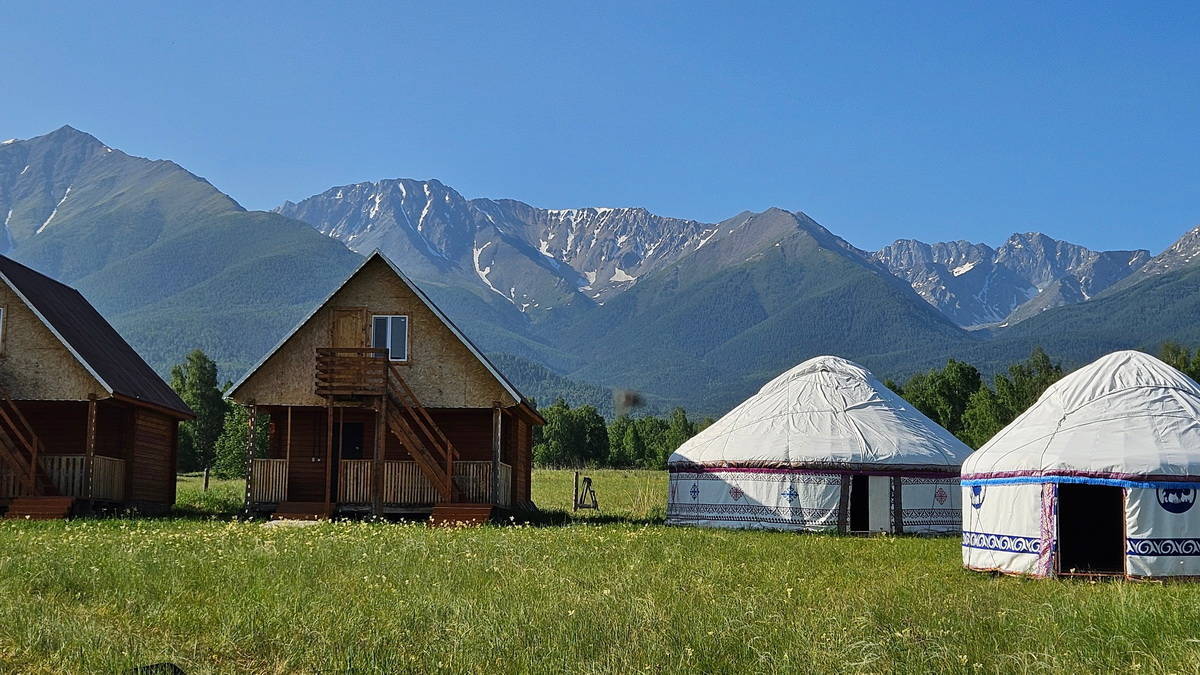
Nature is an integral part of Katon-Karagay's identity. The surrounding mountains, greenery, and scenic views give the village its distinctive atmosphere. Preserving the harmony between architecture and the natural landscape was therefore a key consideration in developing the concept. The proposed solutions take into account the scale of existing buildings, green spaces, scenic views, and pedestrian accessibility.
Special attention is also given to the comprehensive improvement of residential areas. Facade renovations are proposed alongside improvements to surrounding spaces, allowing buildings, pathways, playgrounds, and recreation areas to form a cohesive environment. For residents, this would create more opportunities to spend time comfortably close to home, whether walking with children, exercising, meeting neighbors, or relaxing outdoors.
The architectural concept builds on the development of Katon-Karagay's design code. While the design code establishes general principles for the village's appearance, the detailed proposal for a specific residential block demonstrates how these principles can be applied in practice, from facade design to the organization of public spaces. This approach helps create a cohesive architectural identity while preserving Katon-Karagay's distinctive character.
The quality of public spaces also matters for tourism development. Visitors discover Katon-Karagay not only through its natural and historical attractions but also by walking through the village itself. Convenient pedestrian routes, well-maintained spaces, and architecture that complements the landscape make the village more appealing. However, the everyday needs of local residents remain at the heart of the project.
The completed concept will serve as a basis for further project development, necessary approvals, and identifying funding sources. Its implementation would help revitalize central Katon-Karagay while preserving the village's harmony with nature and its unique character.