





Timeline: ———
Budget: KZT 22,5 million
Foundation’s Contribution: ——— ₸
Coverage: 16 Grants for Tourism Stakeholders
Objective
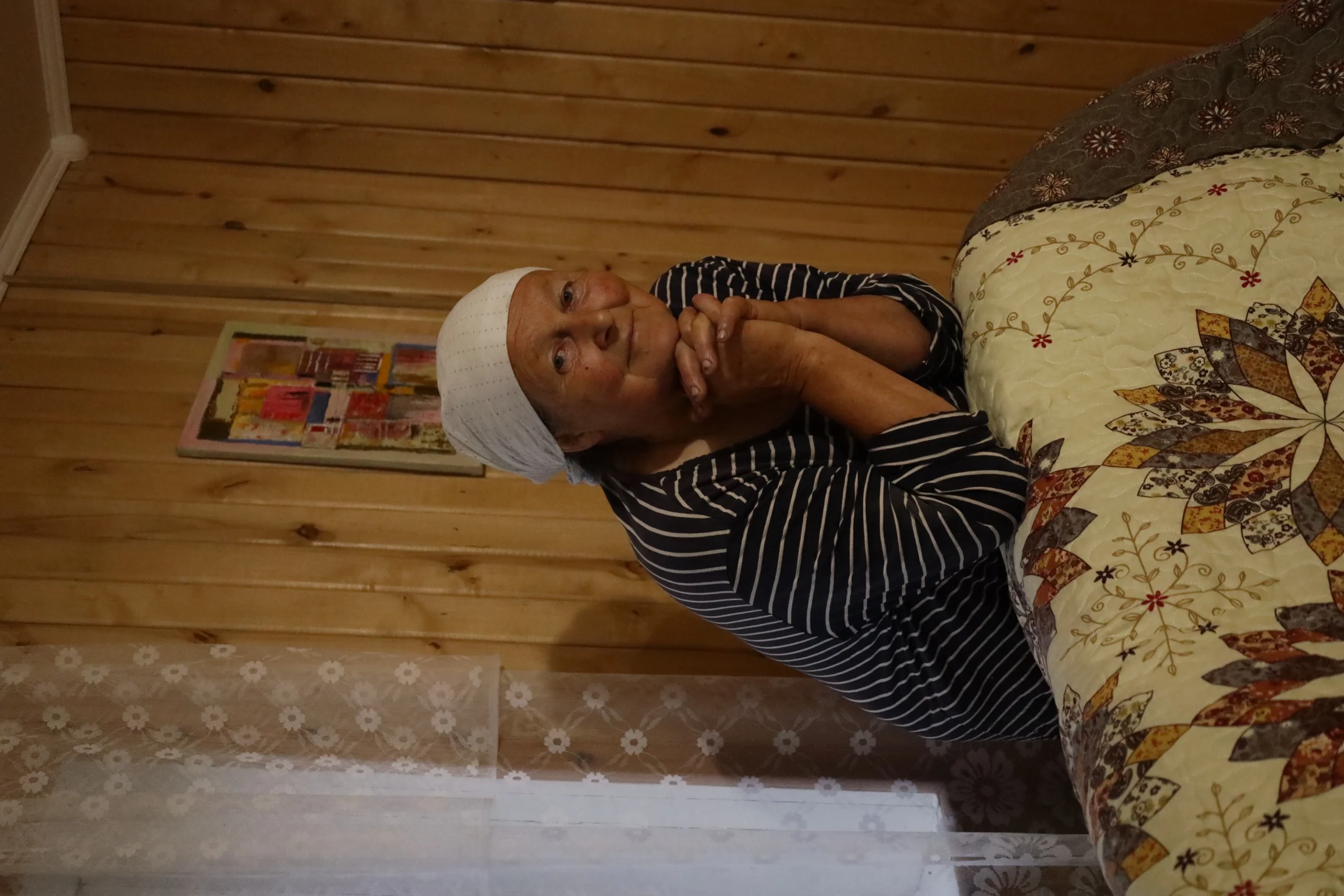
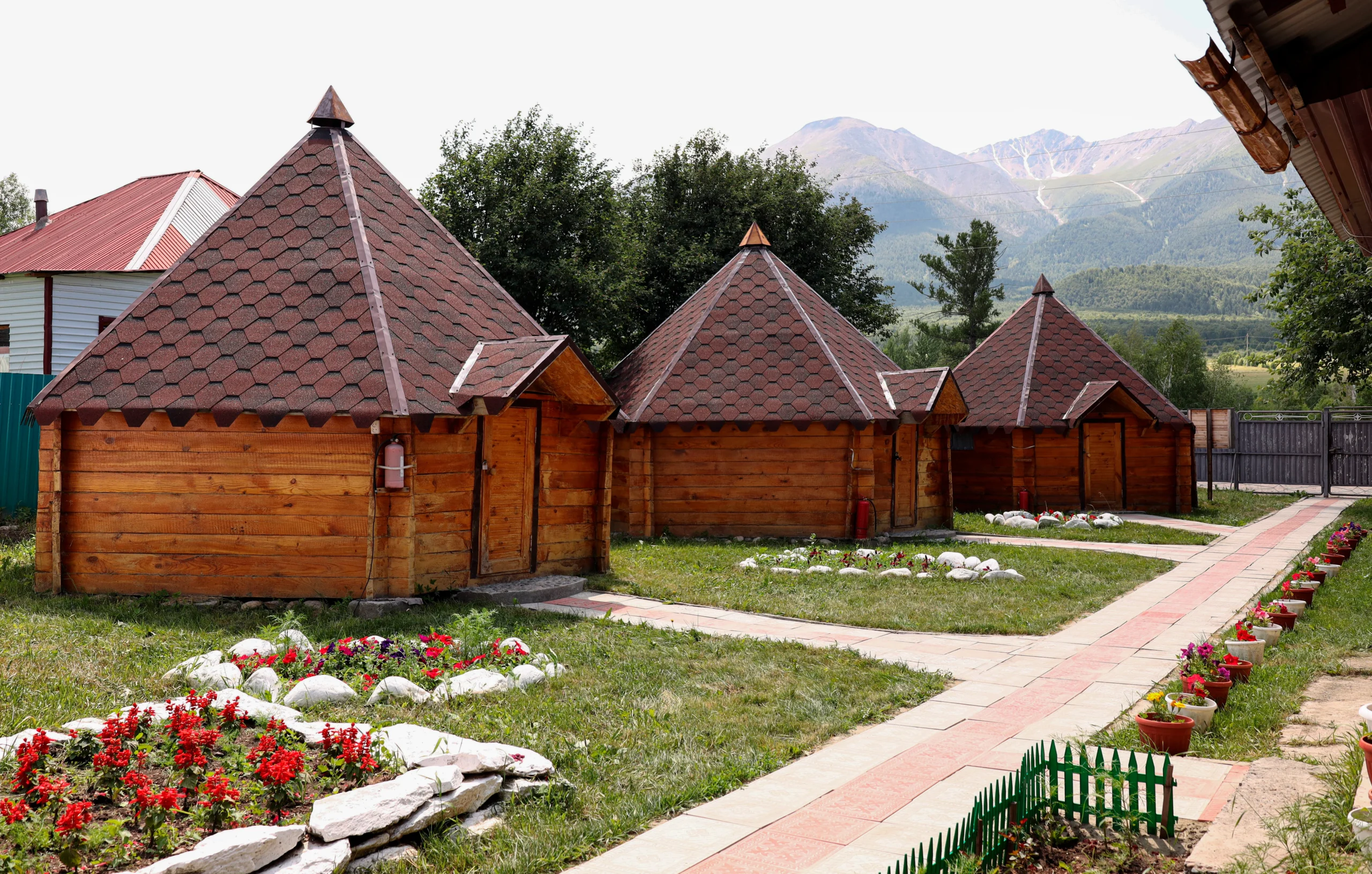
- Enhance tourism infrastructure by supporting guesthouses and other tourism businesses.
Solution:
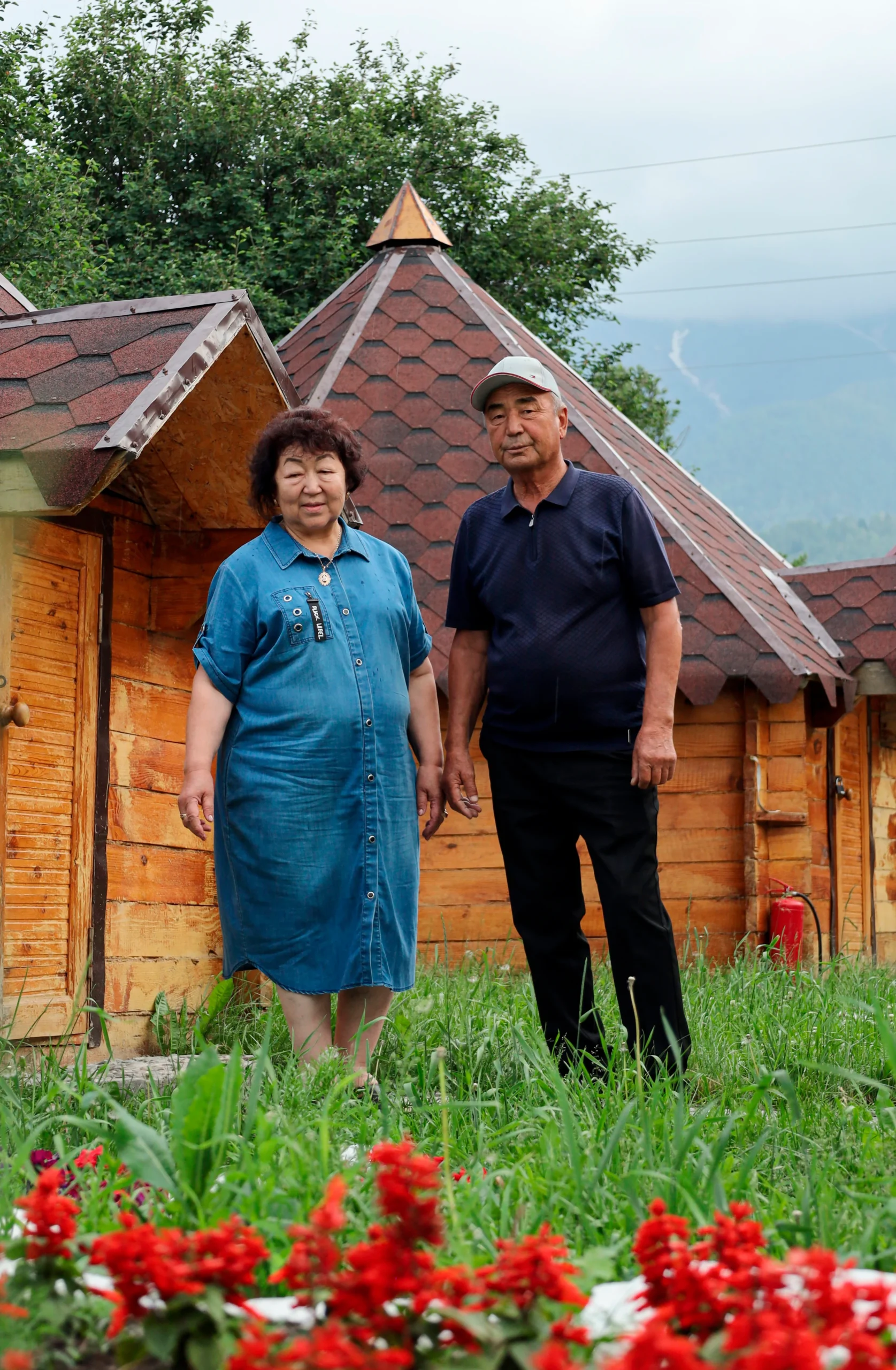
- The Foundation launched a grant program to modernize existing guest houses and align accommodation facilities with the requirements of tour operators. The support focused on improving hospitality infrastructure, increasing the readiness of local facilities to welcome international visitors, and developing the Community-Based Tourism model, where local residents become active participants in the tourism economy.
Result:
- 16 grants were awarded with a total value of KZT 22.5 million. Existing guest houses were modernized, improving accommodation standards and visitor services. The project helped local residents enhance the quality of tourism services and integrate guest houses into the district’s growing tourism economy.
Timeline: 2020-2021
Budget: KZT 5,5 million
Foundation’s Contribution: KZT 2 million
Coverage: Representatives of 5 guest houses and 16 cafés, local guides, and national park staff
Objective
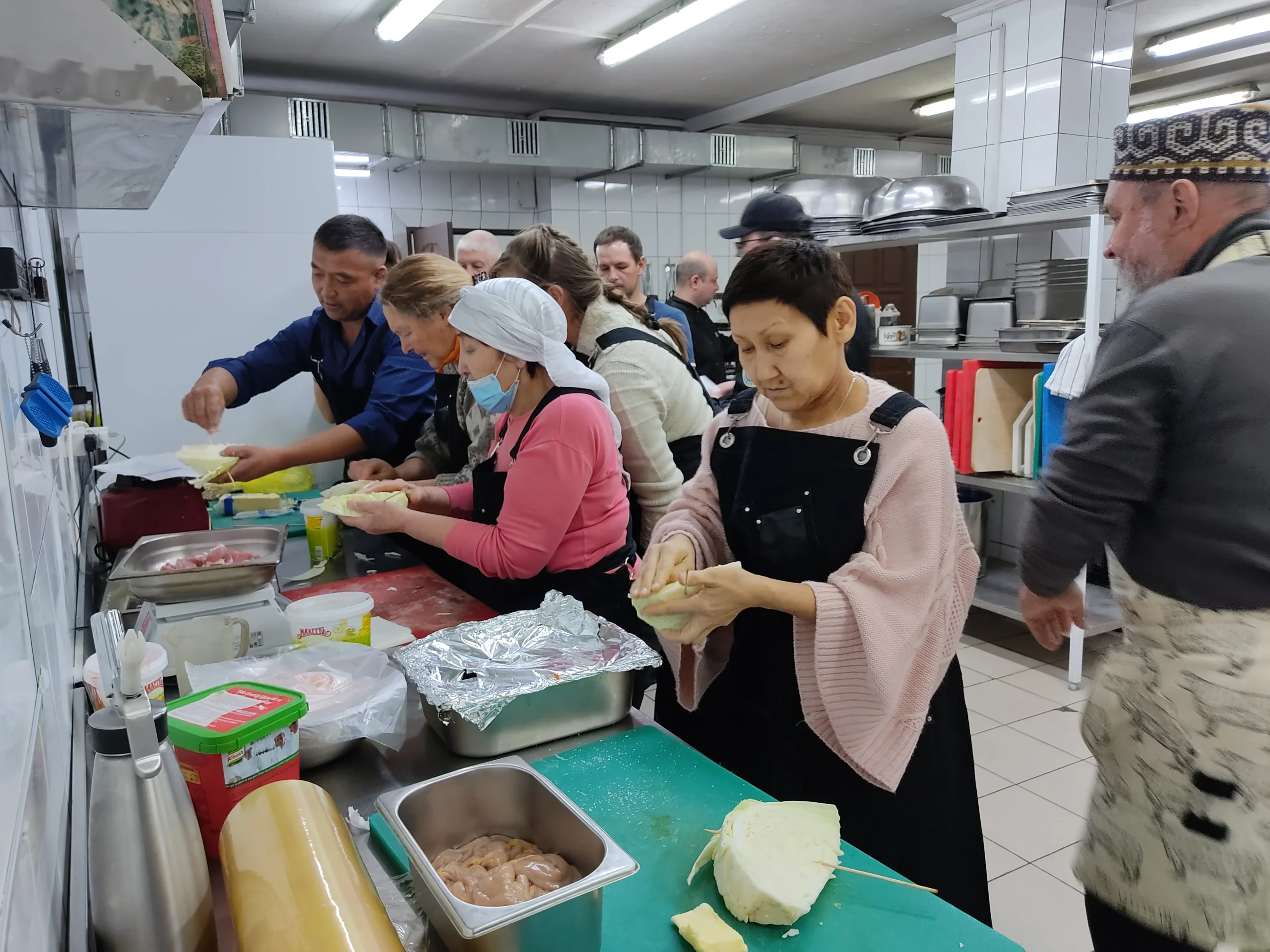
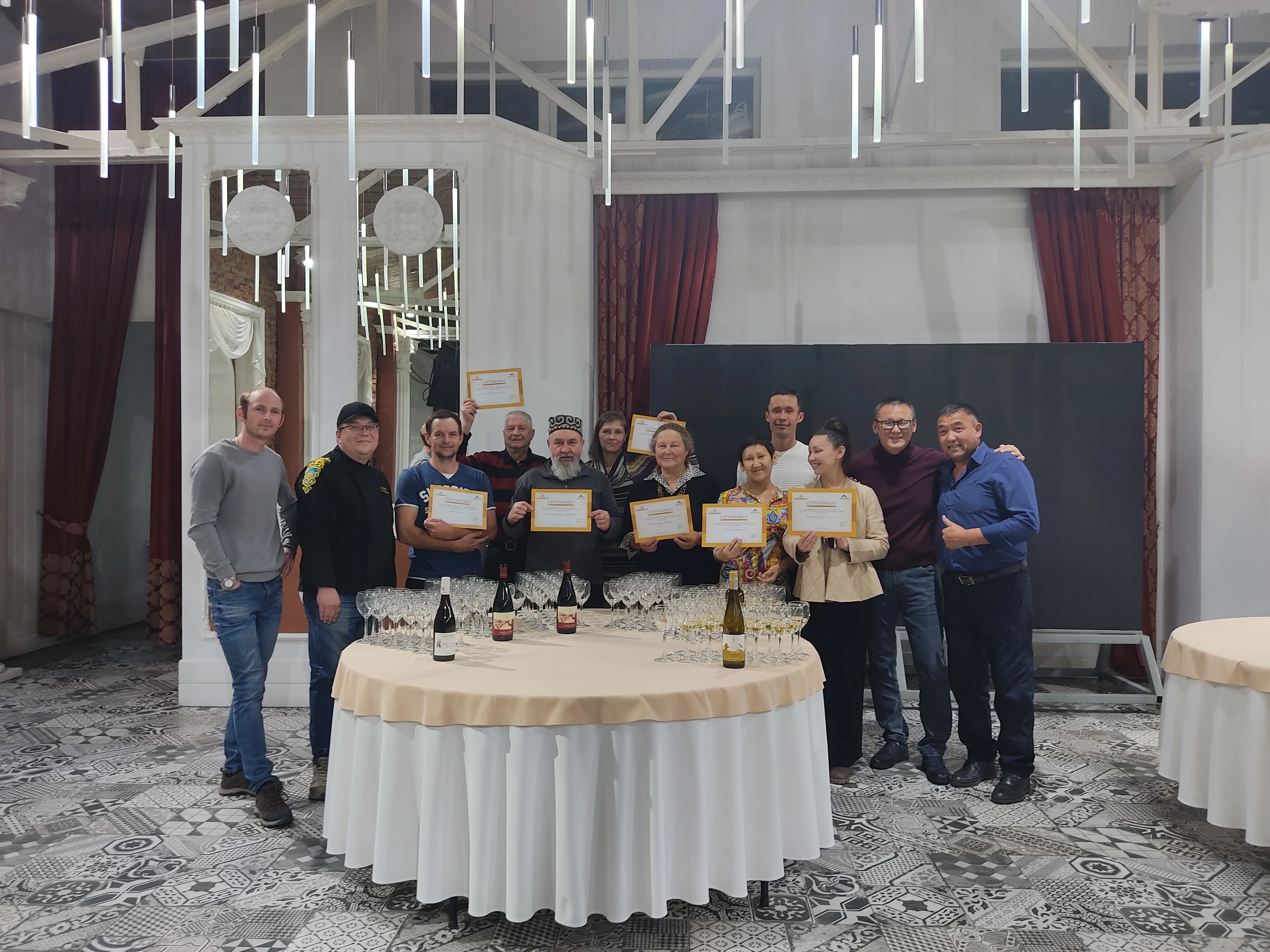
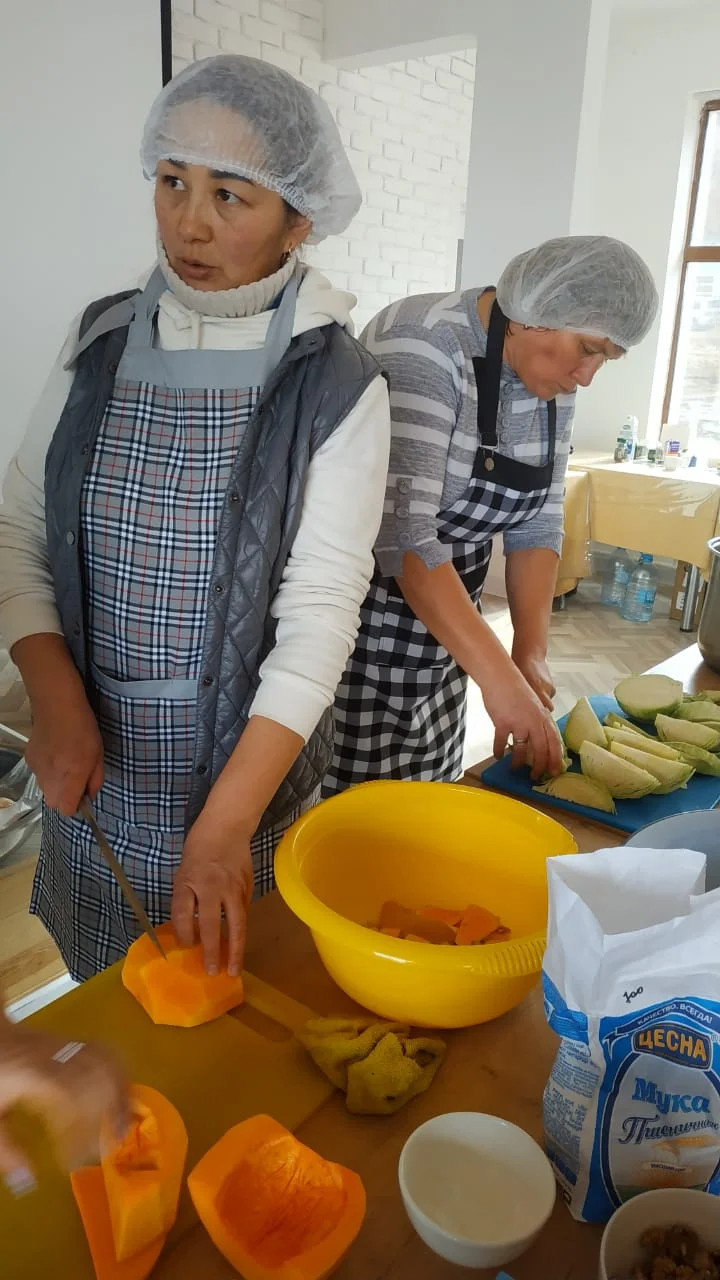
- Improve the quality of tourism services in rural areas by providing training for guest house owners, food service providers, local guides, and national park staff.
Solution:
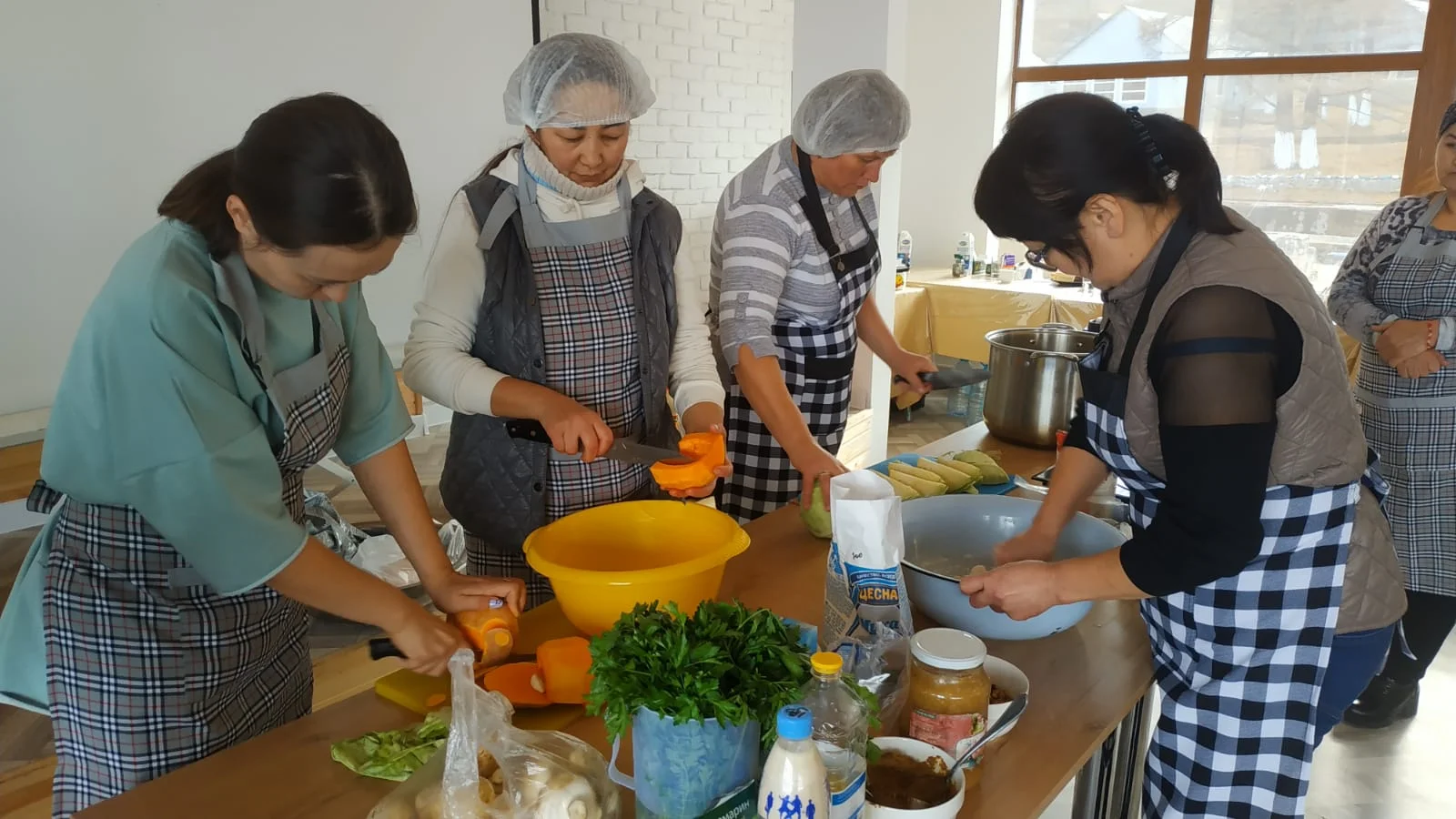
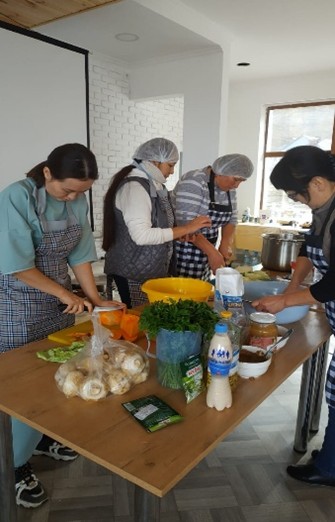
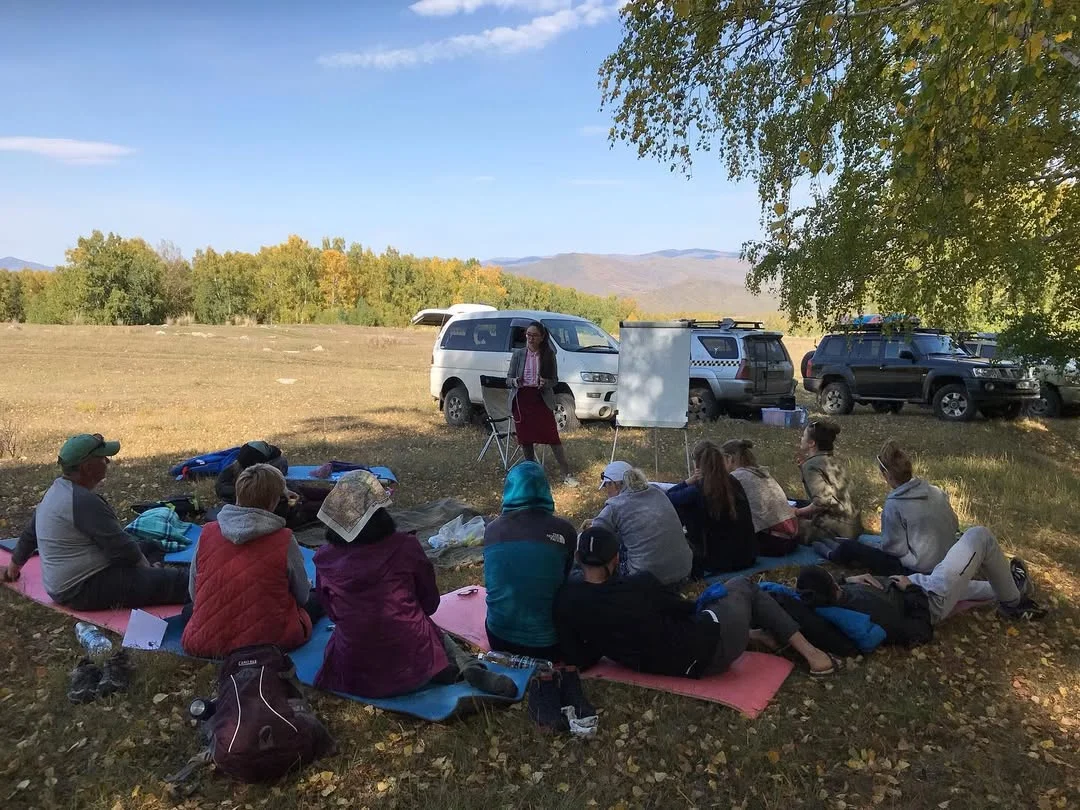
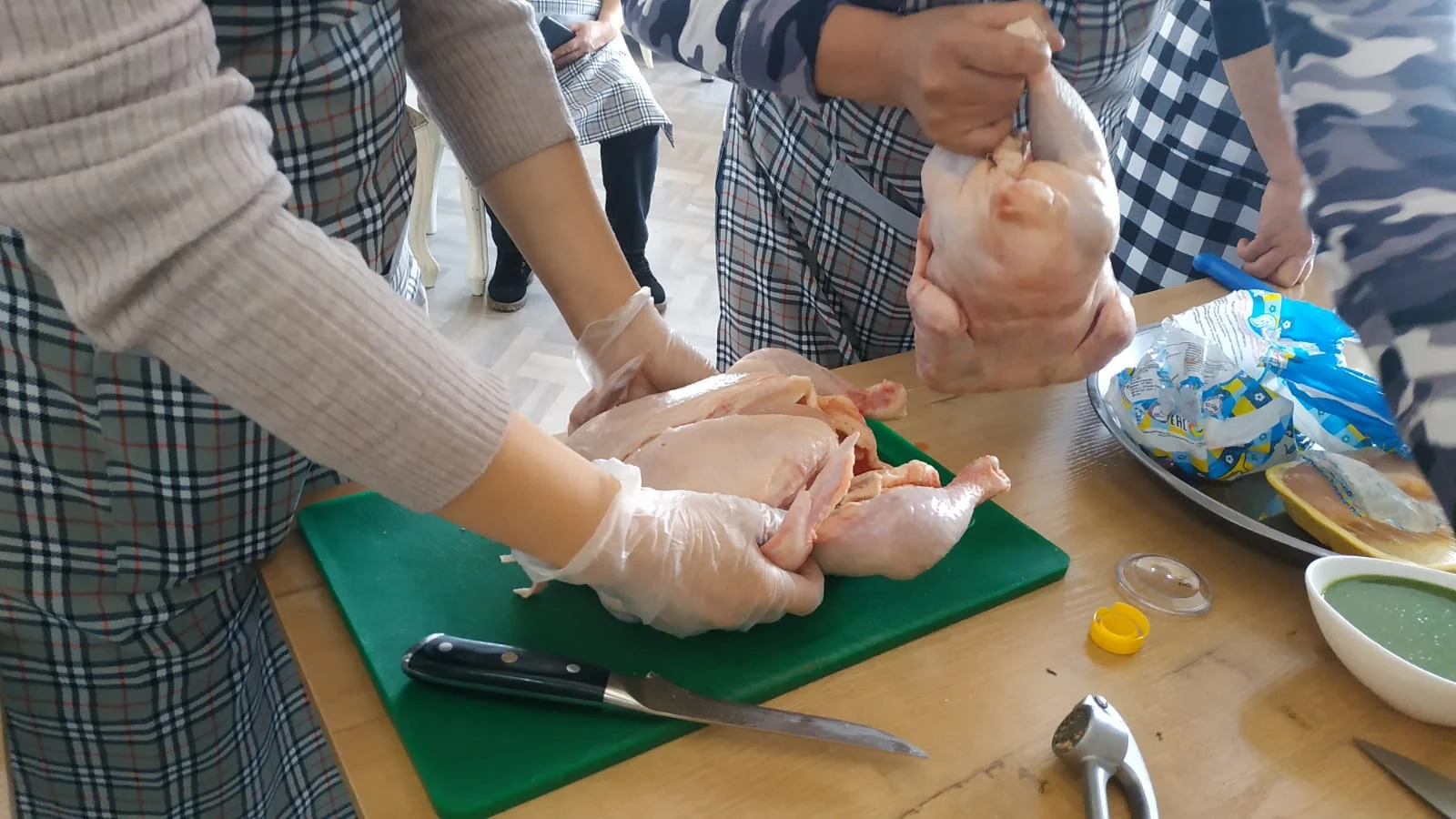
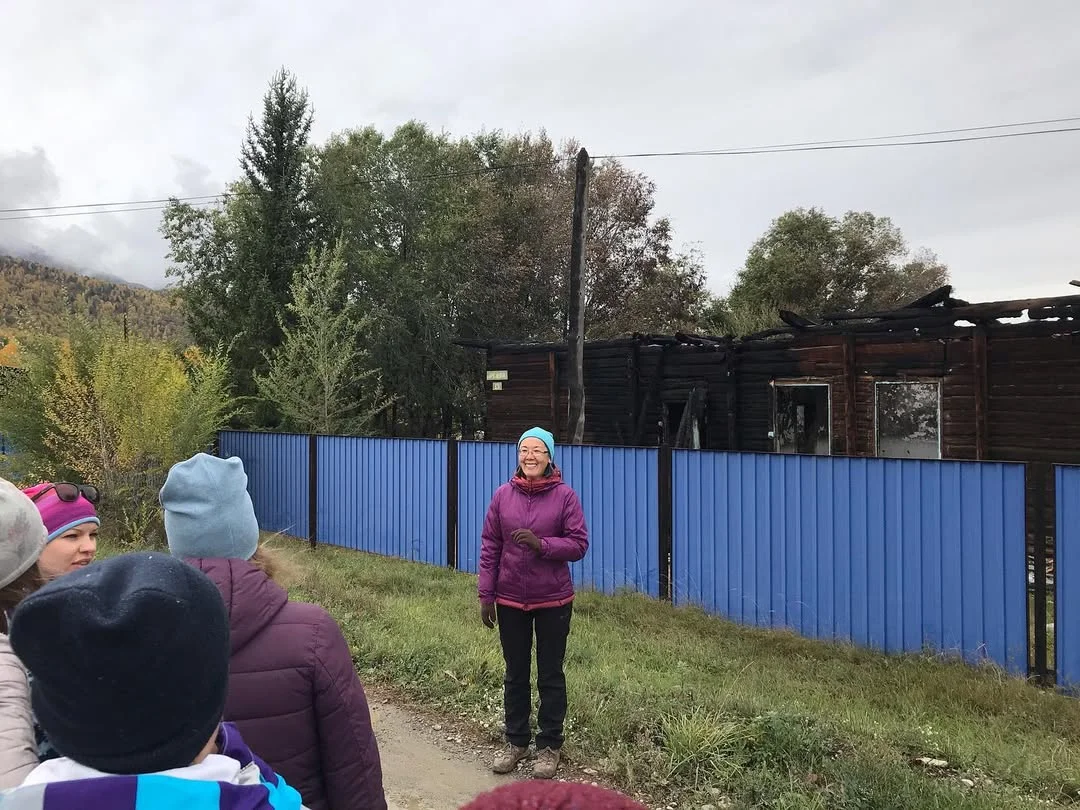
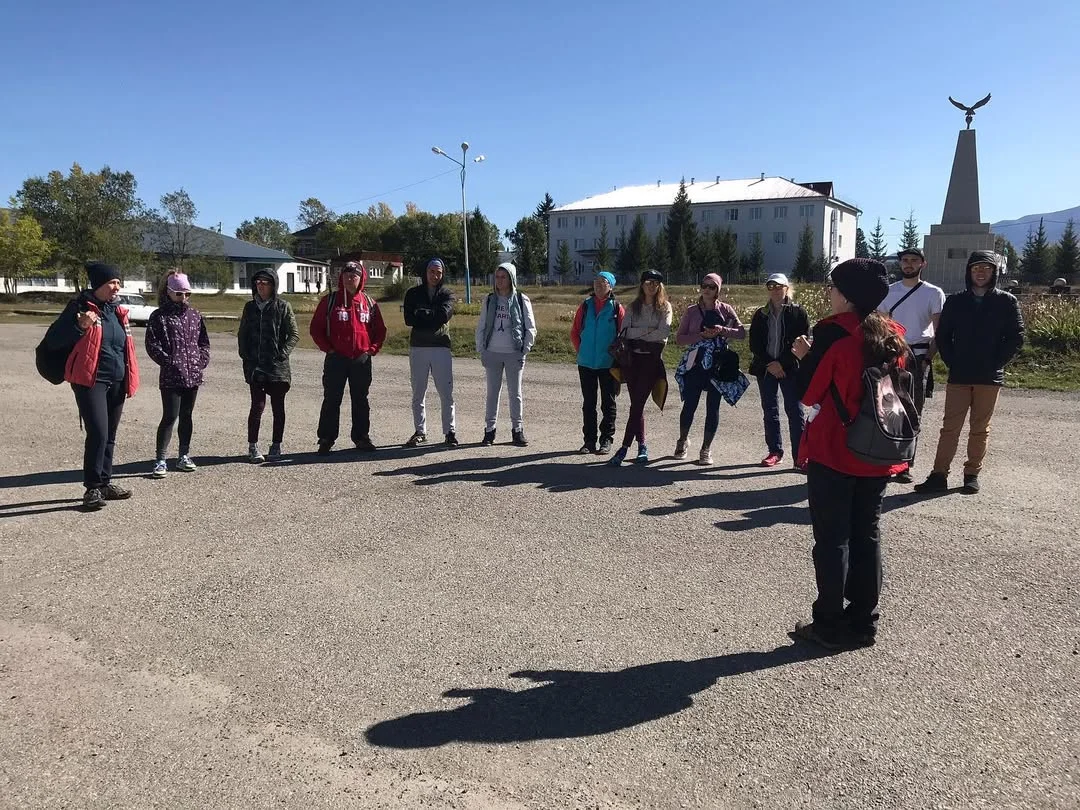
- The Foundation organized on-site training courses covering sanitation, food safety, record keeping, customer service, and tourist catering. Participants received practical recommendations on kitchen equipment, local menu development, and hospitality service standards.
Result:
- Tourism sector representatives in the district gained practical skills for welcoming visitors, including international guests. The project became one of the first steps toward professionalizing tourism services in the region.
Timeline: 2020-2021
Budget: KZT 700 000
Foundation’s Contribution: KZT 700 000
Coverage: 26 local guides and representatives of the district’s tourism infrastructure
Objective
- Prepare guides and tourism sector representatives in the Katon-Karagay District to work with visitors, tour operators, and multi-day rural tourism routes.
Solution:
- The Foundation organized an introductory training course for guides covering the fundamentals of working with tourists, crisis management, tourism program development, and cooperation with partners and service providers. Special attention was given to preparing participants for multi-day outdoor tours, welcoming international visitors, and strengthening the capacity of Katon-Karagay National Park staff to work with tour operators.
Result:
- In 2020, 11 guides completed the training program, followed by another 15 guides in 2021. The project helped establish a foundational talent base for tourism development in the Katon-Karagay District and increased the readiness of local tourism stakeholders to provide professional services to visitors.
Timeline: 2020
Budget: KZT 2,3 million
Foundation’s Contribution: KZT 2,3 million
Objective
- Position the Katon-Karagay District as a destination for natural heritage and responsible tourism.
Solution:
- The Foundation initiated the development of a tourism brand identity for the district, involving a focus group of international tour operators to assess how the destination is perceived by the professional tourism market.
Result:
- A tourism brand identity and the key message “A conscious way of life in harmony with nature” were developed. The project became the foundation for further promoting the Katon-Karagay District as a sustainable tourism destination.
Timeline: 2020
Budget: KZT 4,5 million
Foundation’s Contribution: KZT 4,5 million
Objective
- Establish a planning framework for the development of tourism routes and infrastructure within the Katon-Karagay State National Nature Park, aligned with the district’s long-term development potential.
Solution:
- The Foundation supported the revision of the feasibility study for the national park’s master plan, including the review of zoning regulations and the inclusion of promising areas in the list of territories available for long-term and short-term lease.
Result:
- Promising areas were included in the list of lands available for long-term and short-term lease, while zoning was adjusted to account for tourism routes. This created the foundation for further development of tourism infrastructure within the national park.
Timeline: 2021
Budget: KZT 8 million
Foundation’s Contribution: KZT 3 million
Objective
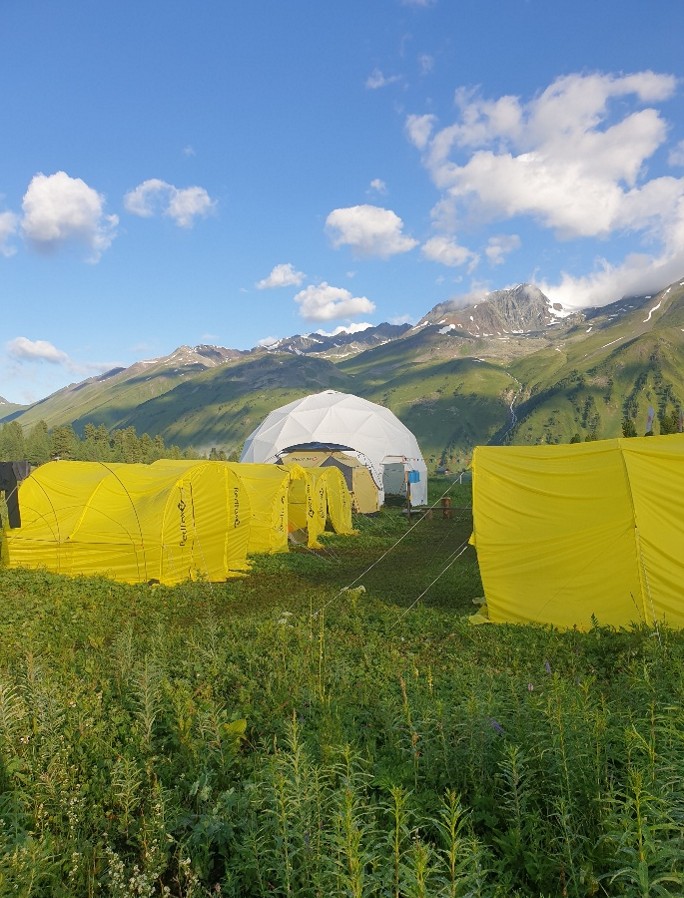
- Improve service quality at the mountaineering base camp and prepare it to welcome visitors in line with the minimum standards of modern tourism infrastructure.
Solution:
- The Foundation provided grant support for the project, helping the camp meet basic service standards and organizing service training for its staff. Additionally, the project secured KZT 5 million in grant funding through the DKB-2025 program to expand accommodation capacity.
Result:
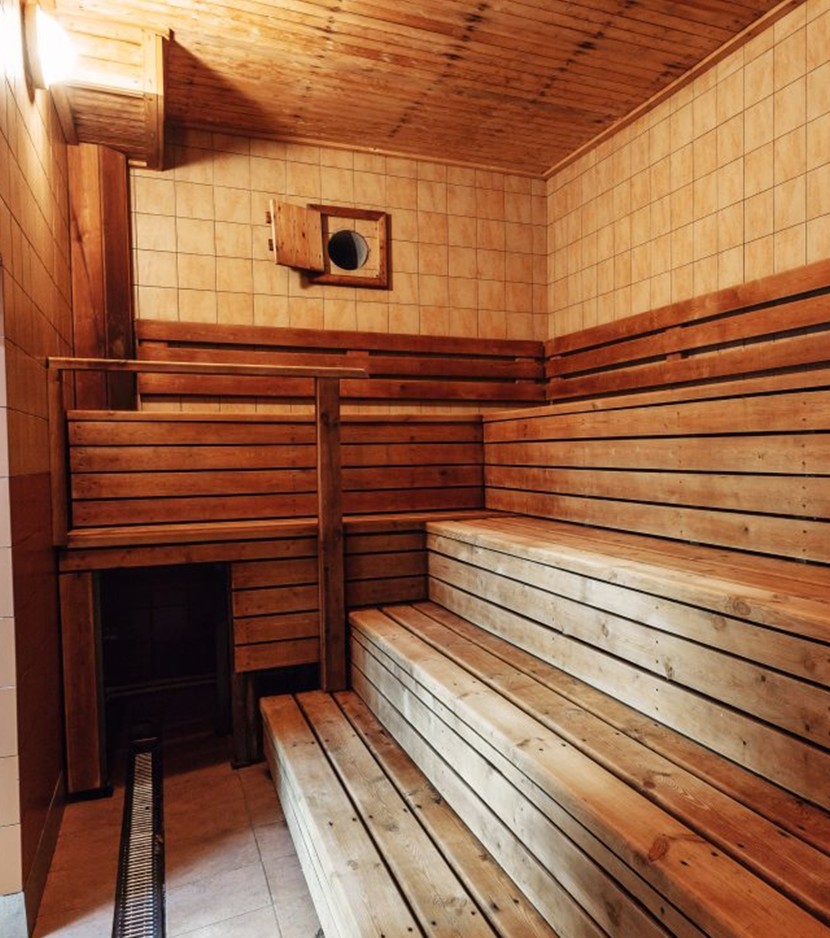
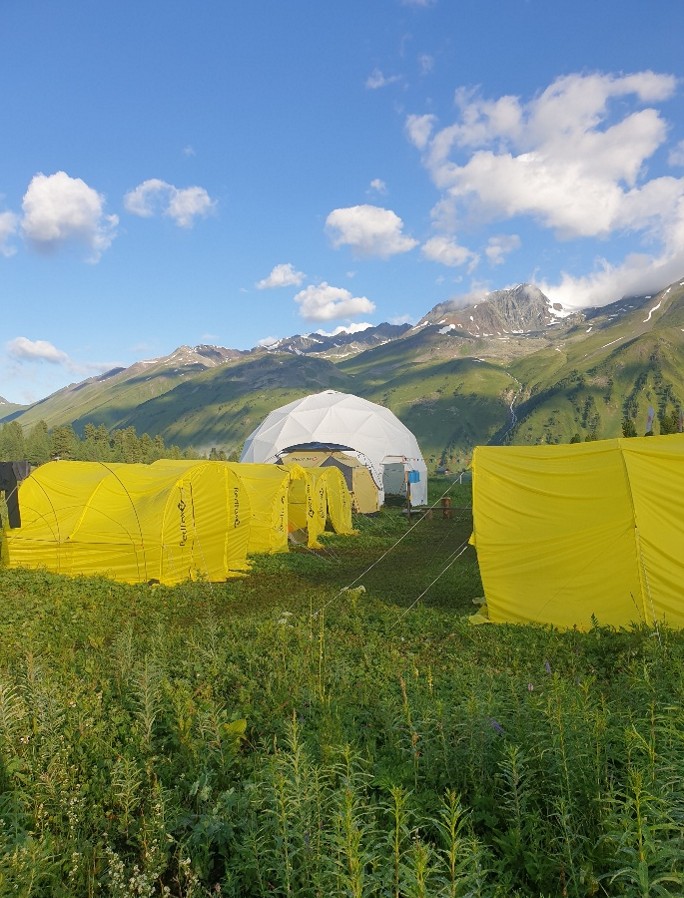
- The base camp was enhanced as a seasonal tourism facility, equipped with essential amenities including a sauna, satellite communication and internet access, solar power systems, a swimming pool, comfortable double camping tents, and dining tents with gas-powered cooking facilities. The project improved accommodation conditions and service quality for active outdoor tourists.
Timeline: 2021-2022
Budget: KZT 11,7 million
Foundation’s Contribution: KZT 6,42 million
Objective
- Prepare the Katon-Karagay District’s most popular hiking trails for safer, more accessible, and environmentally responsible use by visitors. The project aimed to ensure that trail development followed a planned approach rather than occurring organically, with a focus on wayfinding, visitor amenities, environmental conservation, and the gradual implementation of the district’s tourism brand identity.
Solution:
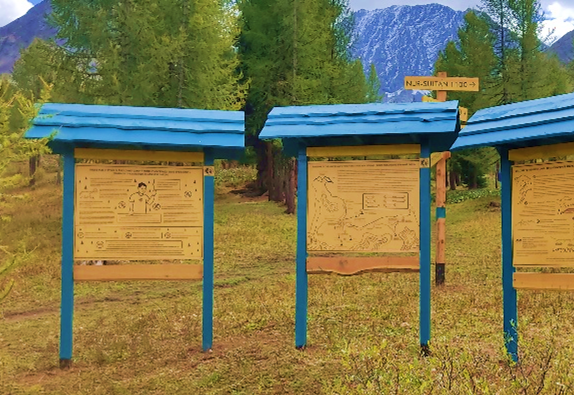
- The Foundation supported the preparatory work for the improvement of the “Belaya Berel” and “Irek” tourism routes. At the initial stage, route surveys were conducted, locations for information boards, signage, and bivouac areas were identified, and materials for navigation infrastructure were prepared. At the next stage, technical marking of the “Belaya Berel” route was completed, and navigation elements were installed in accordance with the district’s tourism brand identity.
Result:
- A foundation for environmentally responsible tourism infrastructure was established for the “Belaya Berel” and “Irek” routes, including the identification of key locations for navigation, rest areas, and informational materials. On the “Belaya Berel” route, 37 signposts and 11 information boards were installed. The project became an important step toward developing hiking tourism in the Katon-Karagay District and creating more comfortable conditions for visitors while minimizing pressure on the natural environment.
Timeline: 2021
Budget: KZT 4,3 million
Foundation’s Contribution: KZT 2 million
Coverage: guest house representatives from Berel village, 7 guides, 8 equestrian route guides, and 10 representatives of food service establishments, in partnership with UNDP.
Objective
- Enhance the quality of tourism services in the village of Berel by preparing local tourism providers to welcome visitors, manage tourism routes, and deliver food services.
Solution:
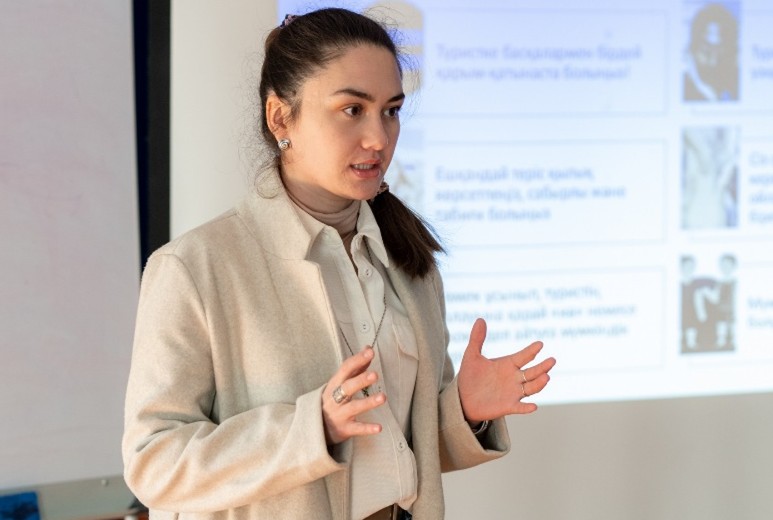
- The Foundation organized training for guest house owners, local guides, equestrian route guides, and food service providers. The program covered minimum service standards, understanding tourist needs, legal and financial aspects of tourism operations, food service organization, and practical hospitality requirements.
Result:
- Key participants of Berel village’s tourism infrastructure completed the training program. The project strengthened the human capacity of rural tourism and became part of the development of Community-Based Tourism in the Katon-Karagay District.
Timeline: 2022-2023
Budget: KZT 8.27 million — total cost of the design and engineering documentation; KZT 497.14 million — total project implementation cost
Foundation’s Contribution: KZT 3.19 million
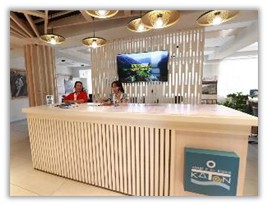
Coverage: Tourist Information Center and Multifunctional Tourism and Trade Complex in Ulken Naryn village
Objective
- Lay the foundation for a multifunctional tourism center designed to welcome visitors, provide tourist information, and coordinate visitor flows in the Katon-Karagay District.
Solution:
- The Foundation supported the development of the design and engineering documentation for the complex, which includes a Tourist Information Center, coworking space, fuel station with an electric vehicle charging point, technical service facilities, retail outlets, a pharmacy, food service facilities, parking areas, and related infrastructure. The project was developed in alignment with the district’s strategy and tourism brand identity.
Result:
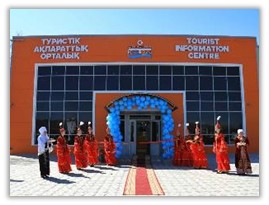
- The design documentation was prepared, and the implementation of the project was launched. According to the 2022 presentation, construction of the Tourist Information Center, which is part of the Ulken Naryn Multifunctional Tourism and Trade Complex, had been completed, and the overall project was at an advanced stage of implementation.



Timeline: 2023 - 2024
Budget: KZT 9 million
Foundation’s Contribution: KZT 9 million
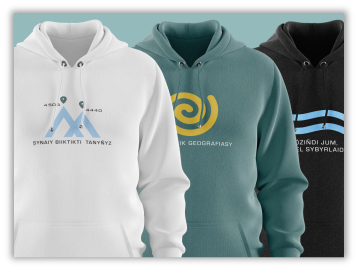
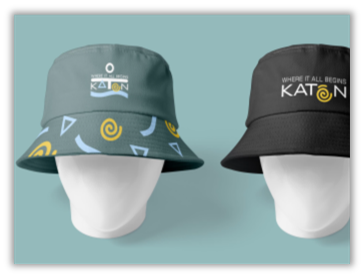
Coverage: The network of Multifunctional Tourism and Trade Complexes (MTTCs) in the Katon-Karagay District; the first collections of souvenirs developed across textile, metal/plastic, and printed product categories.
Objective
- Develop a collection of souvenirs for the network of multifunctional tourism and retail centers in the Katon-Karagay District to strengthen the district’s tourism brand identity, increase its recognition as a destination, and create additional sales opportunities for locally produced tourism products.
Solution:
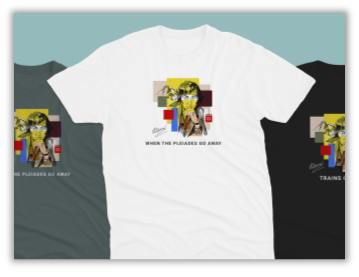
- The Foundation supported the development of the first souvenir design concepts for the MTTC network. The work included not only the visual identity of the products but also marketing preparation: defining the core concept, target audience, and product positioning. Several souvenir categories were developed, including textiles such as T-shirts, caps, bucket hats, buffs, tote bags, socks, towels, vests, and hoodies; metal and plastic products, including water bottles, mugs, raincoats, camping plates, and packaging; as well as printed materials such as postcards, stickers, and labels.
Result:
- The first design concepts for souvenir products for the MTTC network in the Katon-Karagay District were developed, and the initial procurement of souvenir items was completed. Further development of the product range was planned for completion in 2024. The project became part of shaping the district’s tourism identity and preparing MTTCs not only as service infrastructure facilities, but also as platforms for promoting Katon-Karagay through visual identity, local narratives, and branded souvenirs.
Timeline: 2021 - 2022
Budget: KZT 1.25 million
Foundation’s Contribution: KZT 1.25 million
Coverage: Tourists, travelers, tourism businesses and service providers in the Katon-Karagay District, and the district administration
Objective
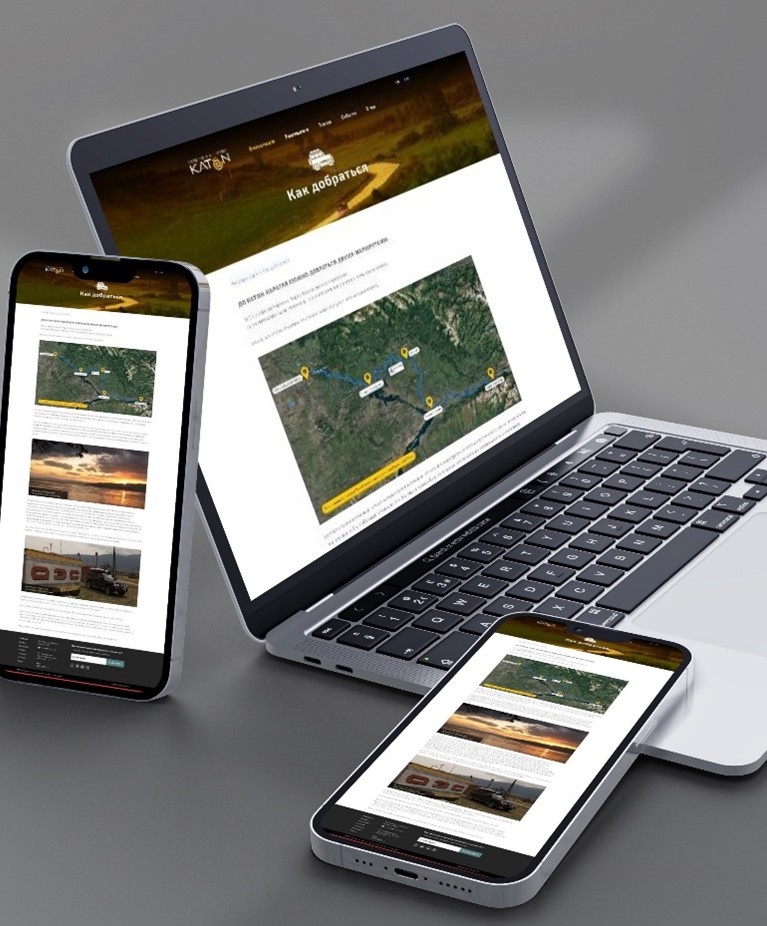
- Create a digital platform to provide visitors with comprehensive information about the Katon-Karagay District and establish a foundation for collecting and analyzing tourism data.
Solution:
- The Foundation supported the development of a tourism portal that consolidated information about tourism facilities and stakeholders in the district. The portal was designed not only as an information resource but also as a future tool for managing tourist flows.
Result:
- The website was developed and transferred for use by the district administration. The project strengthened the digital presence of the Katon-Karagay District and became one of the tools for promoting the territory as a tourism destination.
Timeline: 2021
Budget: KZT 4 million
Foundation’s Contribution: KZT 3 million
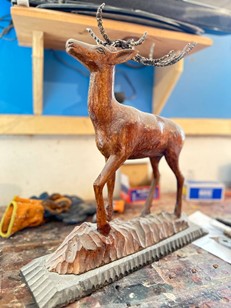
Coverage: A craft workshop in Katon-Karagay village, a souvenir retail point, a craftsman’s guest house, and local residents trained in woodworking.
Objective
- Support the development of local craftsmanship and souvenir production as an integral part of the Katon-Karagay District’s tourism economy.
Solution:
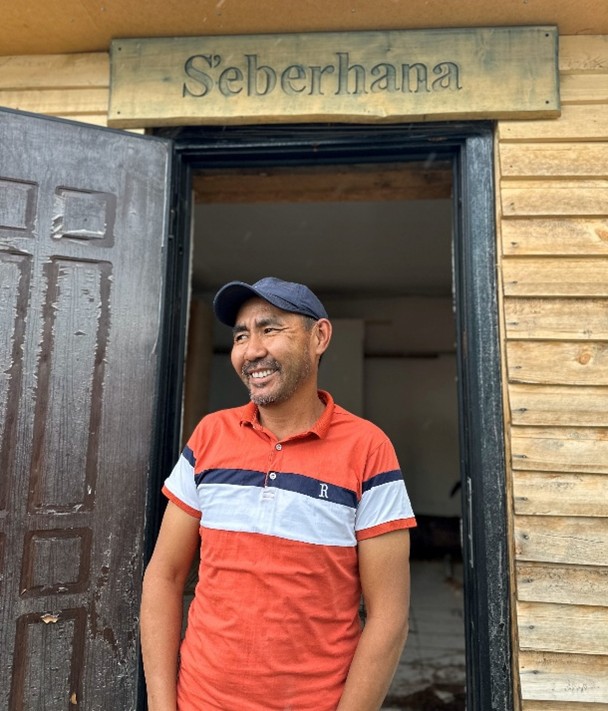
- The Foundation supported the establishment of a souvenir retail point and a craftsman’s guest house for master craftsman Bakytbek Jalymbetov in Katon-Karagay village. The workshop also provided training opportunities for local residents to develop woodworking skills and learn how to create traditional souvenirs.
Result:
- A local craft hub was established in the district, combining souvenir production, skills development for local residents, and guest experiences. The project connected tourism with local culture and created an additional pathway for residents to participate in the tourism economy.
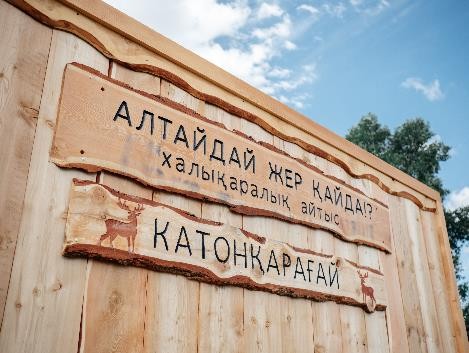
Timeline: 2022
Призовой фонд: KZT 20 million
Coverage: 16 akyns from Kazakhstan, Mongolia, Uzbekistan, and Kyrgyzstan; more than 3,000 visitors; over 50 media publications.
Objective
- Strengthen the cultural identity of the Katon-Karagay District and promote it as a destination rich in natural, historical, and intangible cultural heritage.
Solution:
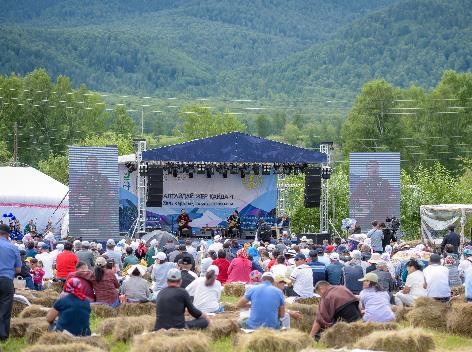
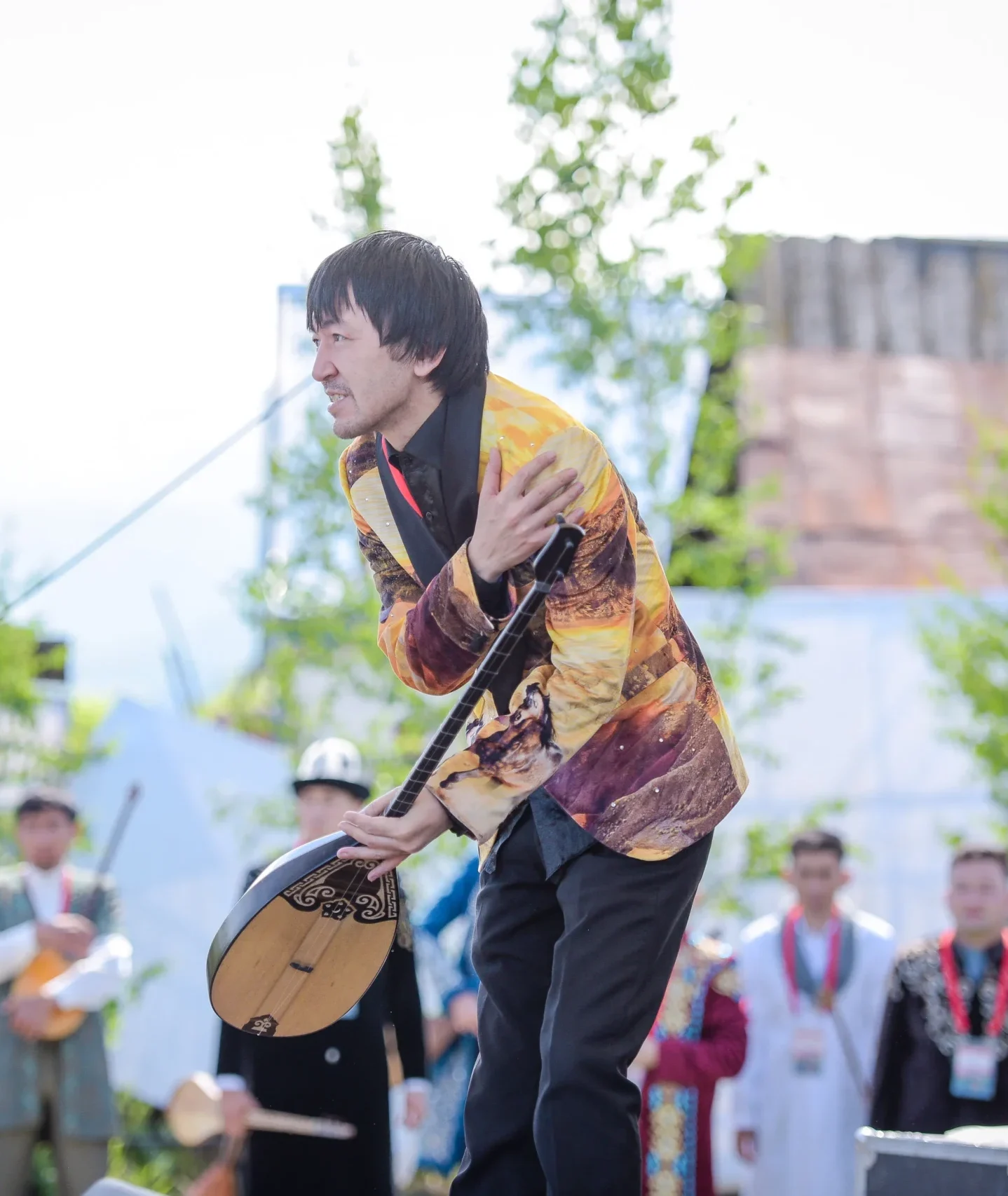
- An international aitys was held in the district with the participation of akyns from four countries. The event was complemented by exhibitions dedicated to the Berel burial mounds and the national park, craft workshops, trade areas, and yurt cafés.
Result:
- More than 3,000 people attended the aitys, which received over 50 media publications and was covered by the national television channel “Qazaqstan.” The project became a major cultural event for the district and strengthened the public image of Katon-Karagay as a territory of heritage and attraction.
Timeline: 2022
Objective
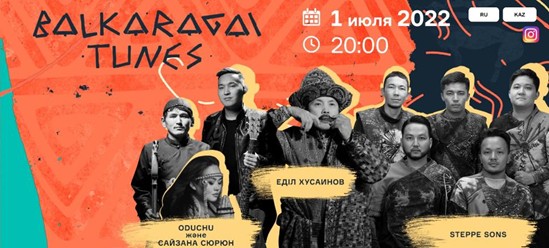
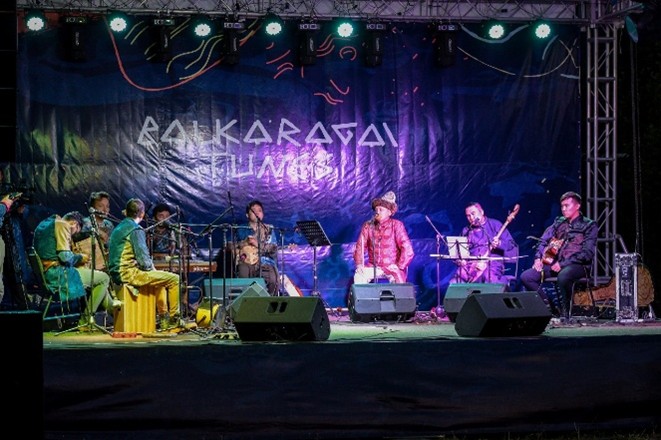
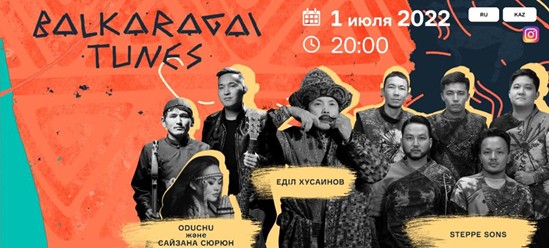
- Unlock the cultural potential of the Katon-Karagay District through its first international ethno-music festival and showcase the district as a destination where natural heritage, music, local identity, and contemporary artistic expression come together to shape a distinctive cultural identity.
Solution:
- The Foundation supported the organization of the “Balqaragai Tunes” festival, which brought musicians together around the sacred land of Altai. The program featured ODUCHU — a conceptual music project, Steppe Sons — an ethno-jazz group from Kazakhstan, as well as Edil Khussainov, a leading ethno-musician and multi-instrumentalist. A special part of the project included folk instrument workshops for students of Edil Khussainov’s music school.
Result:
- The first international ethno-music festival was held in the Katon-Karagay District, becoming a new cultural format for the territory. The festival brought together contemporary ethno-music, local identity, and an educational component: 25 students participated in workshops on playing traditional folk instruments. The project strengthened the district’s cultural agenda and became part of the efforts to position Katon-Karagay as a territory of natural and intangible heritage.
Timeline: 2021
Budget: KZT 3 million
Foundation’s Contribution: KZT 3 million
Coverage: A professional team of 12 specialists; 15 developed ski routes; target audience of winter active tourism enthusiasts.
Objective
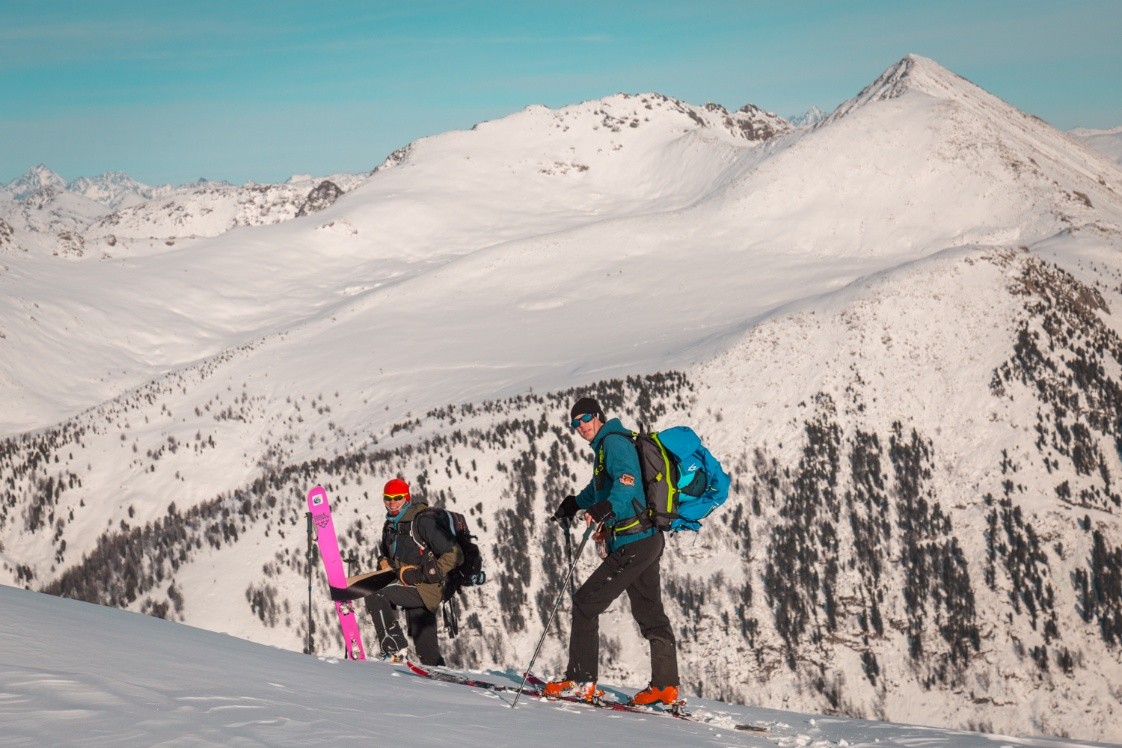
- Expand the Katon-Karagay District’s tourism offering by developing winter adventure tourism experiences, including freeride and ski touring, and showcase the district as a year-round destination for outdoor recreation, not only for its summer landscapes but also for winter adventure tourism.
Solution:
- The Foundation financed a large-scale exploration and development of ski routes without the use of mechanical ski lifts or helicopter access. A professional team of 12 specialists was engaged to survey the territory, identify potential routes, and prepare trails for the target audience interested in ski touring and freeriding.
Result:
- 15 ski routes were developed, and information about them was shared with the target audience. According to the project results, demand for this type of tourism product was confirmed. The project became a step toward extending the tourism season in the Katon-Karagay District and creating a more diverse tourism offering based on the territory’s natural potential.
Timeline: 2021
Budget: KZT 2 million
Coverage: The Kok-Kol camp area; 2 bivouac sites, bridges, a viewing platform, and a lookout point at the waterfall.
Objective
- Improve the basic tourism infrastructure of Kok-Kol Camp to provide visitors with safer and more comfortable facilities along this nature-based tourism route.
Solution:
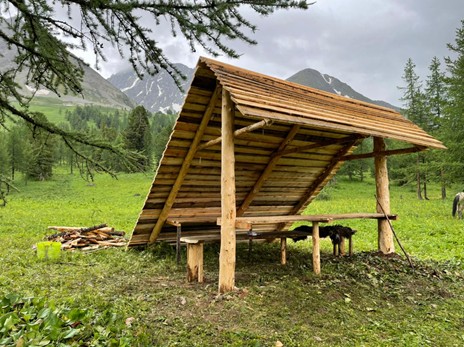
- During the first stage of the improvement works, recreational areas were organized and access to key points along the route was enhanced. Particular attention was given to elements directly affecting visitor comfort and safety, including camping areas, crossings, approaches to the waterfall, and the viewing zone.
Result:
- At the Kok-Kol camp area, 2 bivouac sites were established, bridges were renovated, and a viewing platform and lookout point at the waterfall were developed. The project became the first step toward more organized and sustainable use of the natural area for tourism routes and improved the overall visitor experience at the site.
Timeline: 2022
Budget: KZT 50 million
Foundation’s Contribution: KZT 200 000
Coverage: сквер О. Бокея в селе Катон-Карагай, территория возле основных торговых точек, жители и гости районного центра
Objective
- Revitalize one of the central public spaces in the village of Katon-Karagay, creating a more attractive, functional, and accessible environment for residents, local businesses, and visitors to the district center.
Solution:
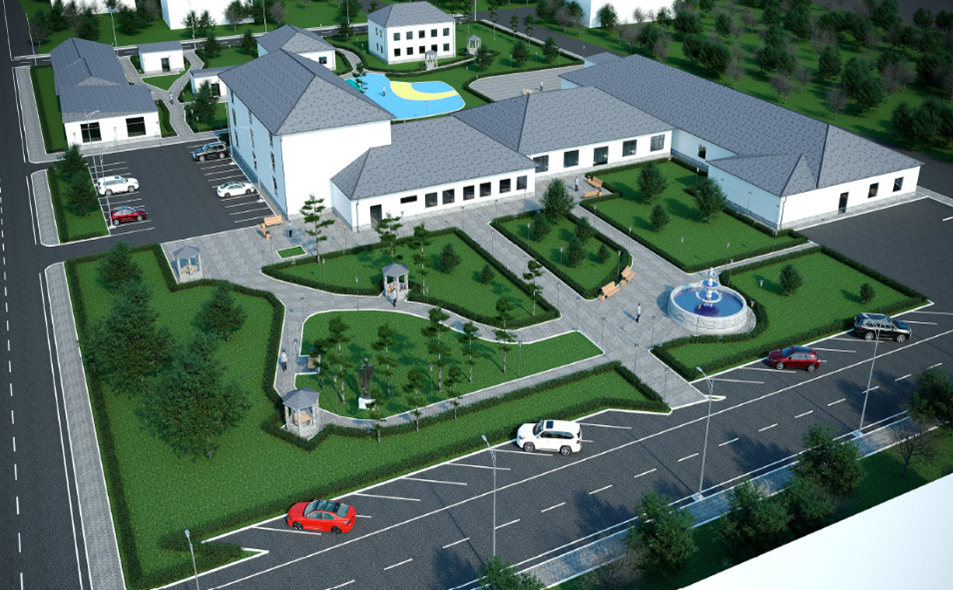
- The Foundation supported the development of a modern improvement project for the public square in line with the territory’s development strategy. The project included not only landscaping and visual renewal of the space but also practical solutions such as parking facilities, a public restroom, and recreation areas with gazebos.
Result:
- The cost estimate was developed and the project foundation was prepared for the reconstruction of the O. Bokey public square. The project enabled the transition to the improvement of the area around key commercial points in the village and helped create a higher-quality public space in the center of Katon-Karagay. The square is intended to become not just a recreation area, but a part of a renewed rural environment where everyday infrastructure, commerce, pedestrian connections, and public spaces function together.
Timeline: 2023 - 2024
Budget: KZT 3.5 million
Foundation’s Contribution: KZT 3.5 million
Objective
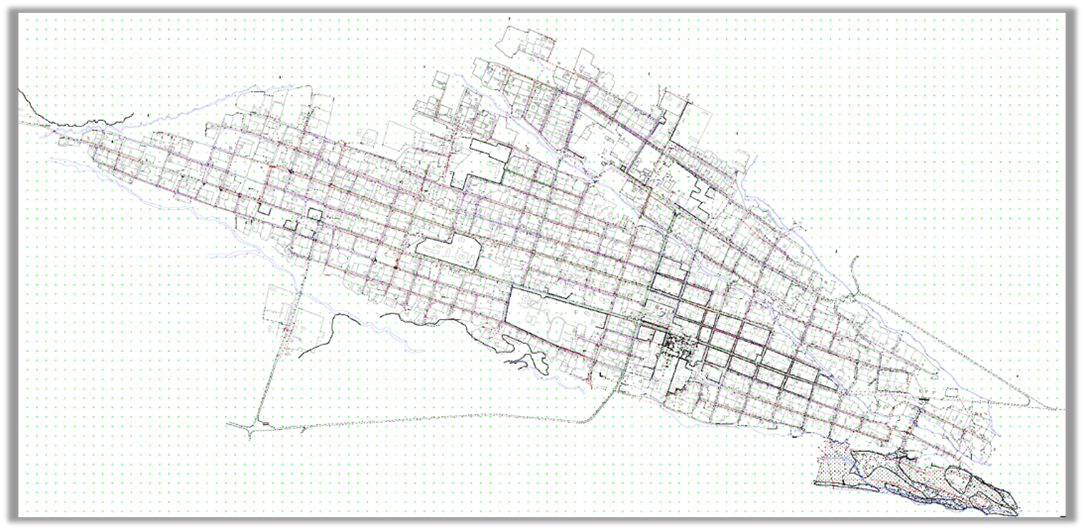
- Establish an accurate spatial and engineering planning foundation for the development of the Katon-Karagay Village Master Plan, ensuring that future growth of the district center is guided by up-to-date data on the area’s land use, buildings, topography, road network, and existing infrastructure rather than fragmented planning decisions.
Solution:
- The Foundation supported the topographic survey of Katon-Karagay village as the first essential step toward high-quality master planning. In addition, visits by international architects Alpekanar Khan from Turkey and Sim Boon Yang from Singapore were organized, allowing the village’s development to be viewed not only as a technical urban planning task, but also as a process of shaping the future identity of the district center, including its public spaces, architectural character, and tourism appeal.
Result:
- A topographic survey of Katon-Karagay village was completed and became the foundation for further development of the master plan. The project created a basis for more systematic spatial development of the village, including the planning of streets, public areas, infrastructure, tourism facilities, and future investment projects. Through expert visits by international architects, the project also laid the groundwork for a more thoughtful approach to the village’s architectural character and its role as the administrative center of the Katon-Karagay District.
Timeline: 2021 - 2022
Budget: KZT 35 million
Foundation’s Contribution: KZT 5 million
Objective
- Restore an essential community facility in the village of Ulken Naryn and improve residents’ access to basic public services.
Solution:
- The Foundation supported the restoration of the public bathhouse, engaged entrepreneur Nurzhan Kassenov, and contributed to preparing the facility for launch. The works included site cleanup, dismantling of the façade and interior elements, upgrades to heating and electrical systems, installation of wall panels, and interior furnishings.
Result:
- The public bathhouse was restored and officially opened on April 22, 2022. The project brought back an important everyday service facility to the village and demonstrated how partnerships between the Foundation and local entrepreneurs can help restore and develop essential community services.
Timeline: 2020
Budget: KZT 7 million
Foundation’s Contribution: KZT 3.5 million
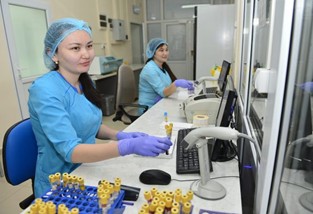
Coverage: 2 biomaterial collection points in Katon-Karagay and Ulken Naryn villages.
Objective
- Improve access to laboratory diagnostic services for residents of the Katon-Karagay District by enabling them to undergo routine medical testing locally, without the need to travel to larger towns or the regional center.
Solution:
- The Foundation, together with the project initiator, supported the opening of KDL OLIMP biomaterial collection points in two key settlements of the district — Katon-Karagay and Ulken Naryn villages. Project financing was shared equally between the initiator and the Foundation, with each contributing 3.5 million ₸. The project included the purchase of equipment and furniture, as well as renovation works in the premises designated for the collection points.
Result:
- The foundation for launching biomaterial collection points was established in Katon-Karagay and Ulken Naryn villages. The project strengthened the district’s healthcare infrastructure and became a practical step toward improving access to laboratory services for rural residents. By establishing collection points in two locations, the project covered both the district center and Ulken Naryn as one of the key rural hubs of the area.
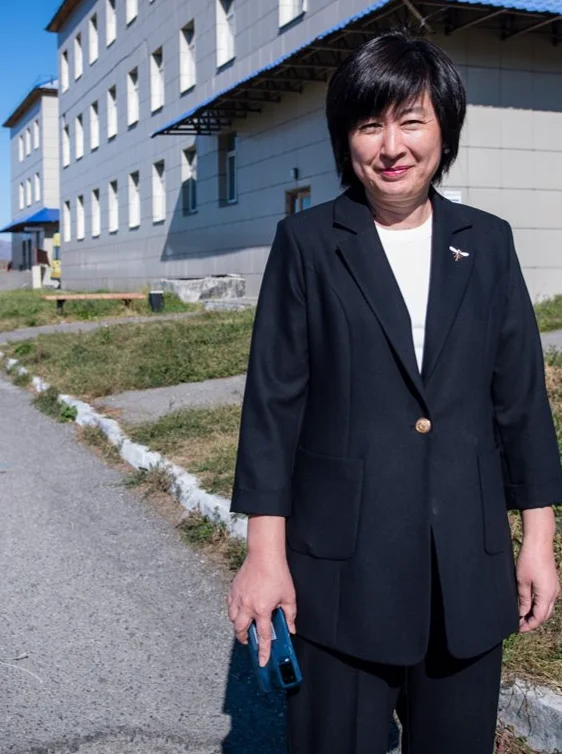
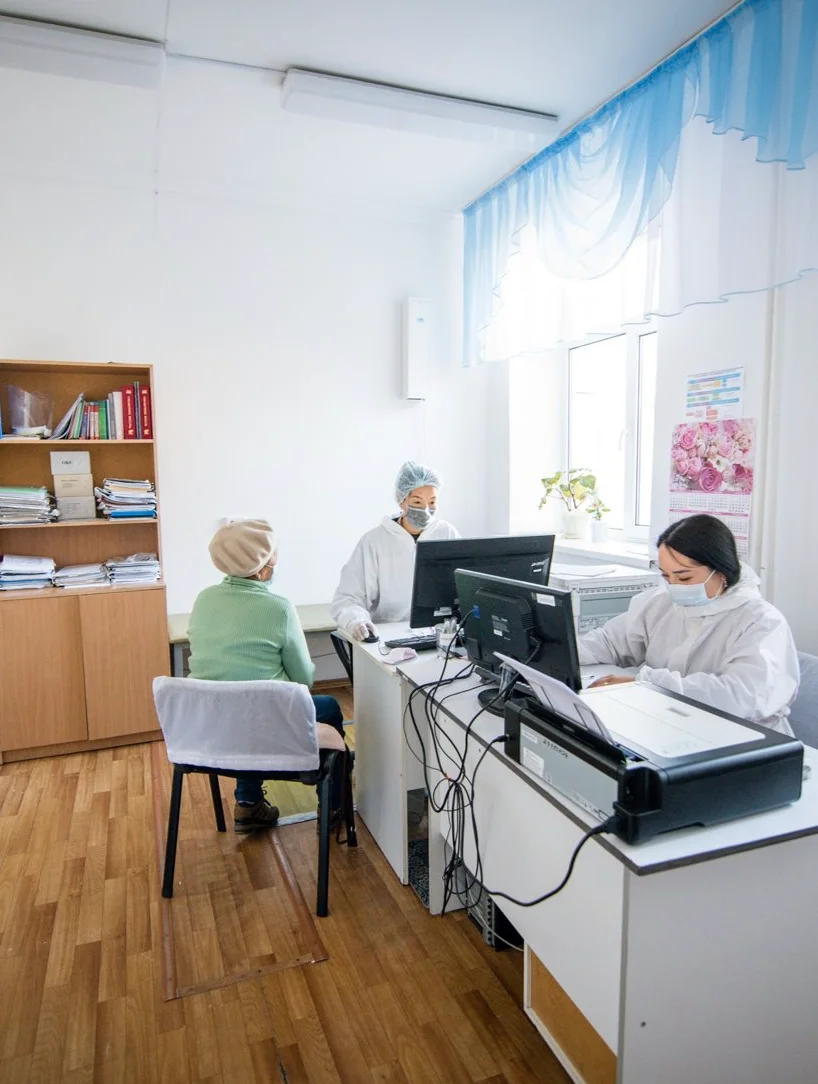
In 2022, the Foundation gained valuable experience through its partnership with the Katon-Karagay District Hospital. We launched a healthcare development initiative, but the hospital team and the local community were not yet ready for large-scale change and a comprehensive modernization program. This experience underscored the importance of introducing transformation in a gradual and phased manner.
Objective
To improve access to healthcare services for district residents and attract medical specialists to rural healthcare.
Results:
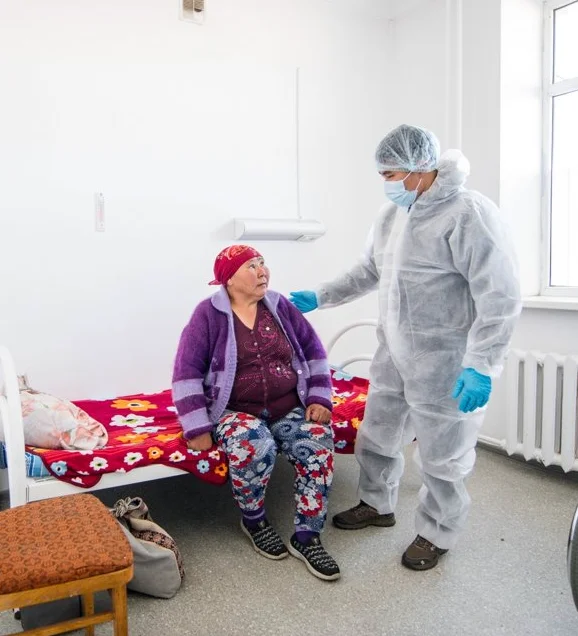
11,000 registered residents gained access to expanded healthcare services, including ultrasound diagnostics, Holter monitoring, ambulatory blood pressure monitoring (ABPM), biochemical analysis, specialist consultations, and remote consultations with doctors from Astana and Almaty.
20 new specialists were attracted, and the local administration provided 4 new houses for medical professionals.
Renovation works were completed at 3 medical points in remote villages of the Katon-Karagay District.
The hospital received additional funding of 120 million ₸, while outstanding accounts payable (128 million ₸) and tax liabilities (26 million ₸) were fully repaid.
17 appeals were submitted to supervisory authorities, and 3 local community meetings were held regarding the hospital. No violations were identified.
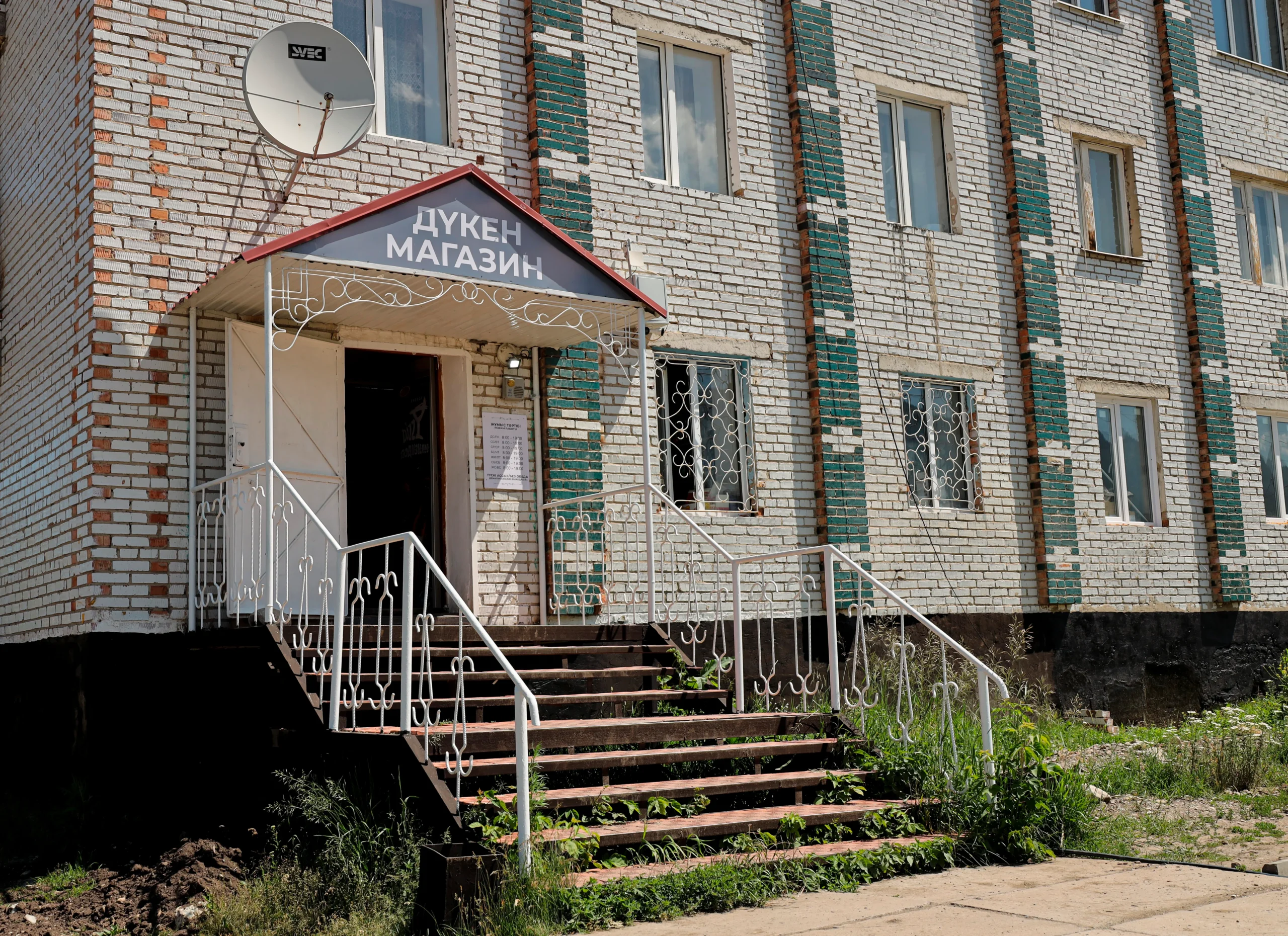

Timeline:
2024 г.
Foundation’s Contribution:
KZT 10 000 000
Objective:
The project focused on developing a unified architectural code based on the master plan and the reconstruction of key facilities. Its goal was to create a unique visual identity that highlights the distinctive character of Katon-Karagay. The design code is being developed by a specialized architectural bureau. «727», компания ранее участвовала в создании дизайн-кода г. Алматы.
The 727 Bureau team conducted a survey among local residents.
- 169 questionnaires completed
- 39 expert interviews
- Visual analysis of the Katon-Karagay village environment
- 300 location photographs
This helped identify local needs and define the sequence of steps required for implementing the design code.
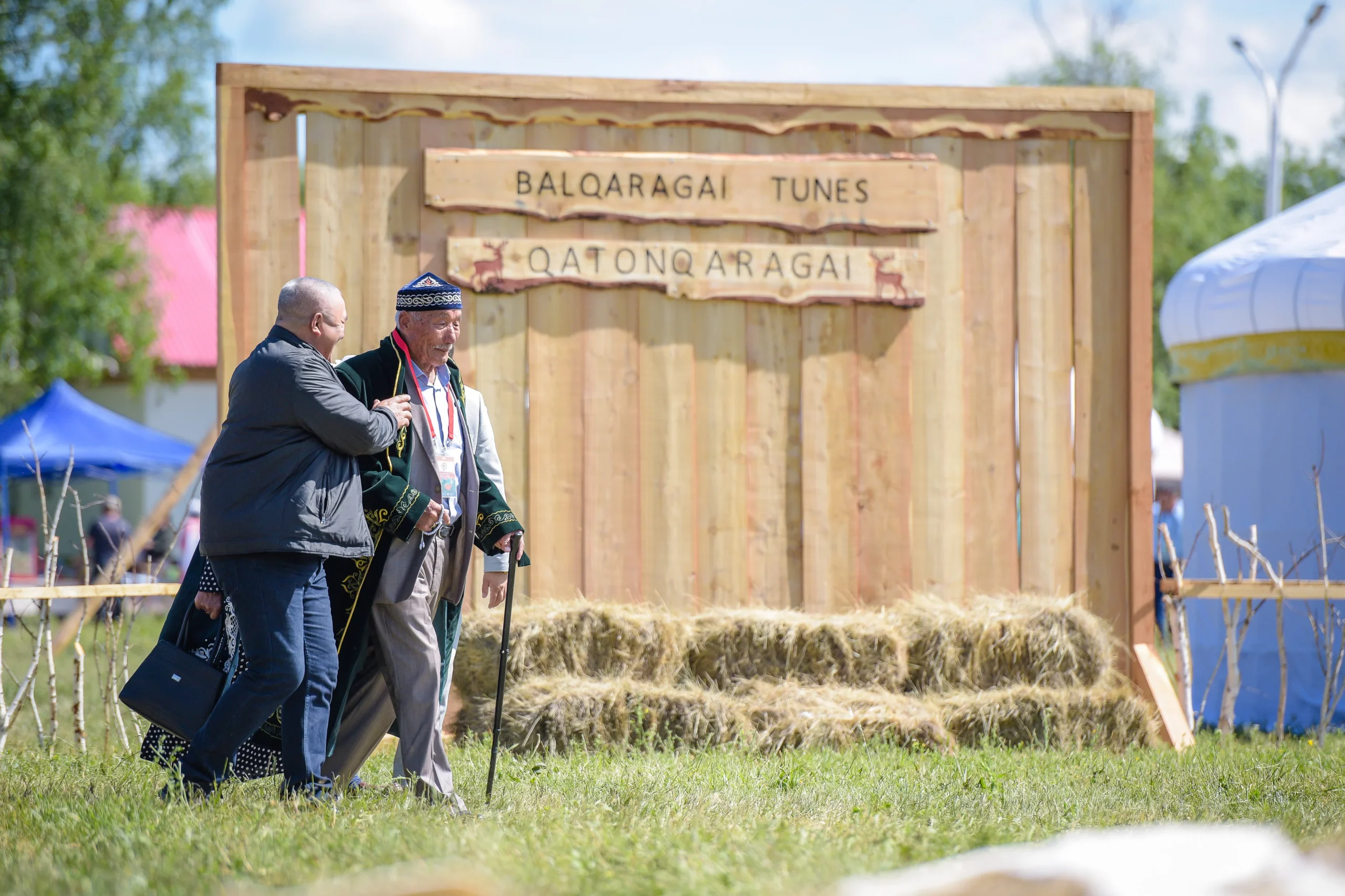
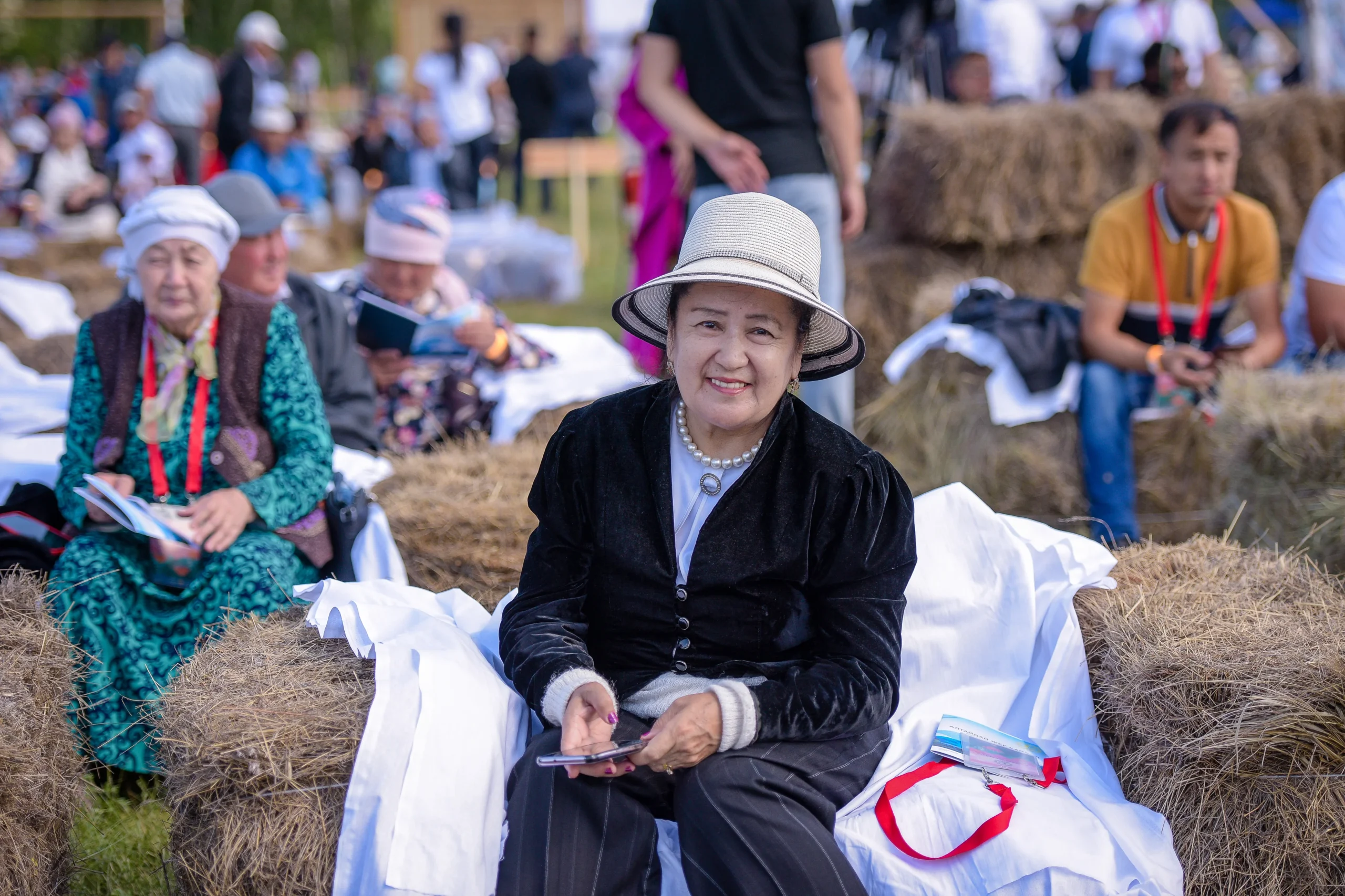
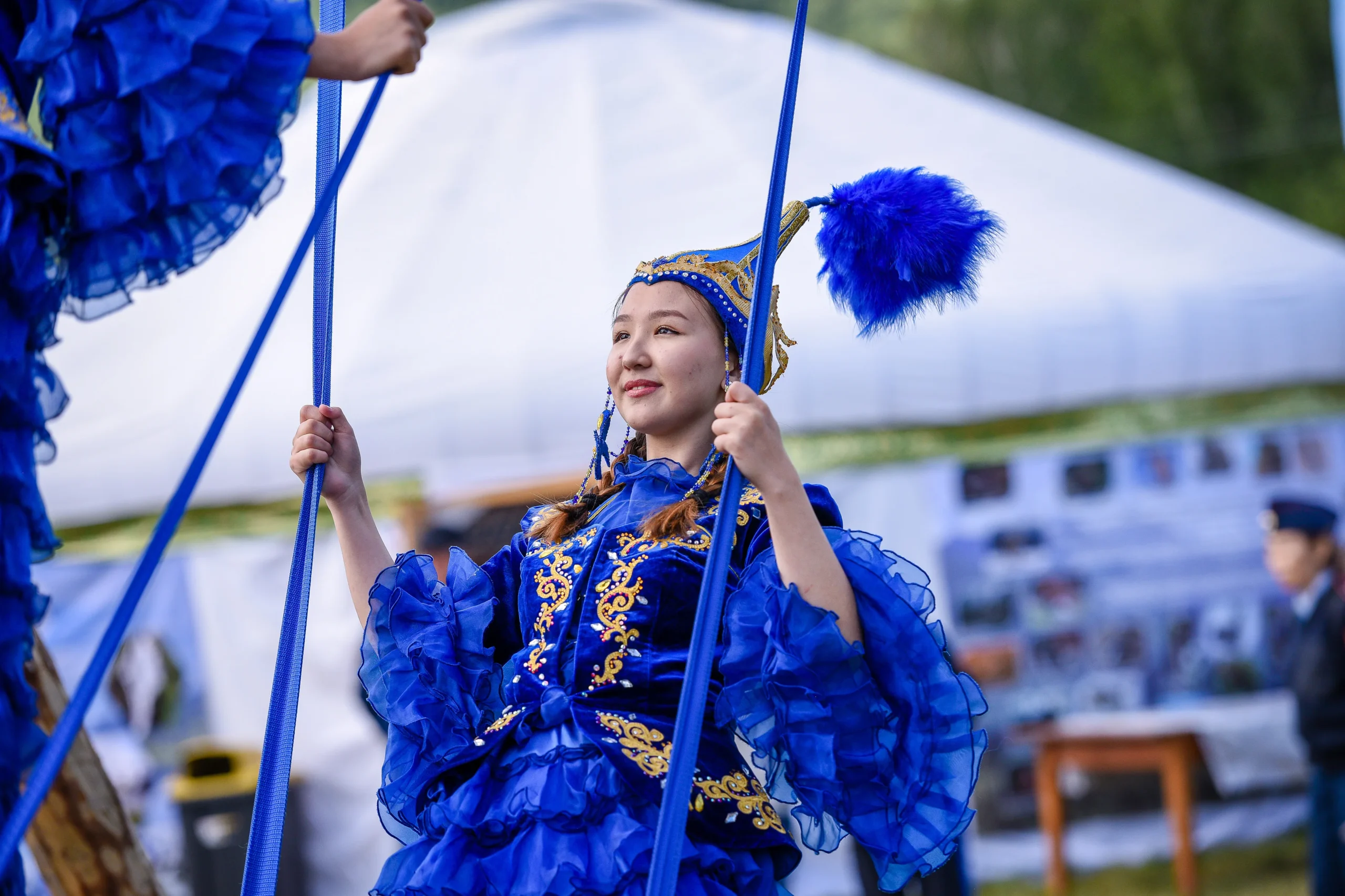
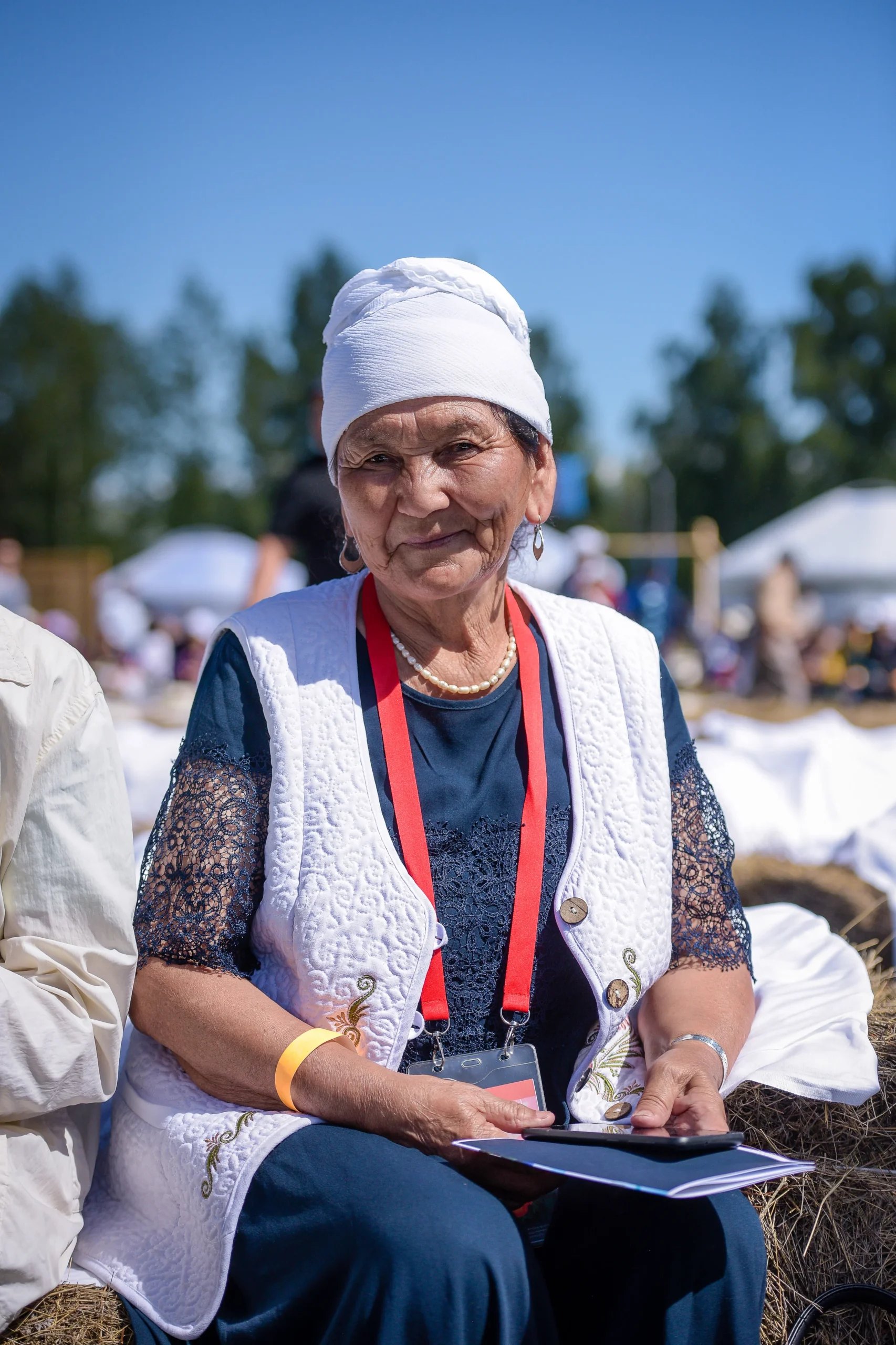
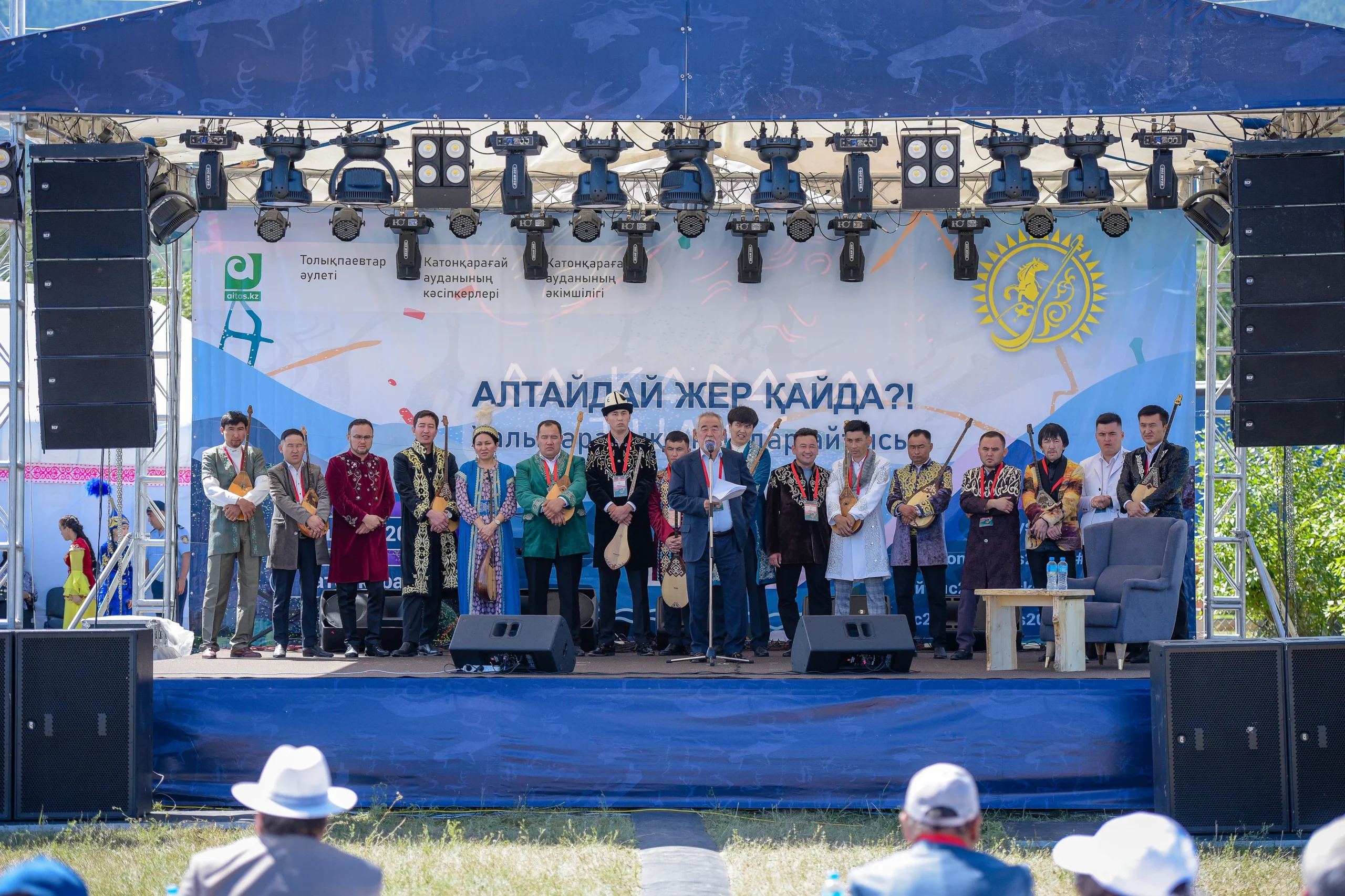
The aitys held in Katon-Karagay became a significant cultural event for the district. It brought together akyns from Kazakhstan, Mongolia, Uzbekistan, and Kyrgyzstan, demonstrating that the tradition of oral poetic competition remains vibrant and relevant today. The event aimed to revive and promote Kazakh poetic heritage at the international level, strengthen cultural identity, and position the district as a destination for cultural tourism. Sixteen akyns performed on stage, the evening was hosted by Zhurssin Yerman, a distinguished cultural figure of the Republic of Kazakhstan, and the event attracted more than 3,000 visitors.
Foundation contribution:
77 506 553 ₸
The Foundation provided organizational and infrastructure support, PR and media promotion, as well as coordination with local and national-level partners.
Results
The aitys became not only a significant cultural event for the district but also reached the national level. A republican-level aitys dedicated to the anniversary of writer and journalist Oralhan Bokey was held at the Alatau Theatre of Traditional Arts in Almaty.

Region: East Kazakhstan Region, Katon-Karagay village.
Timeline: 2023
Status: Implemented
Project Description::
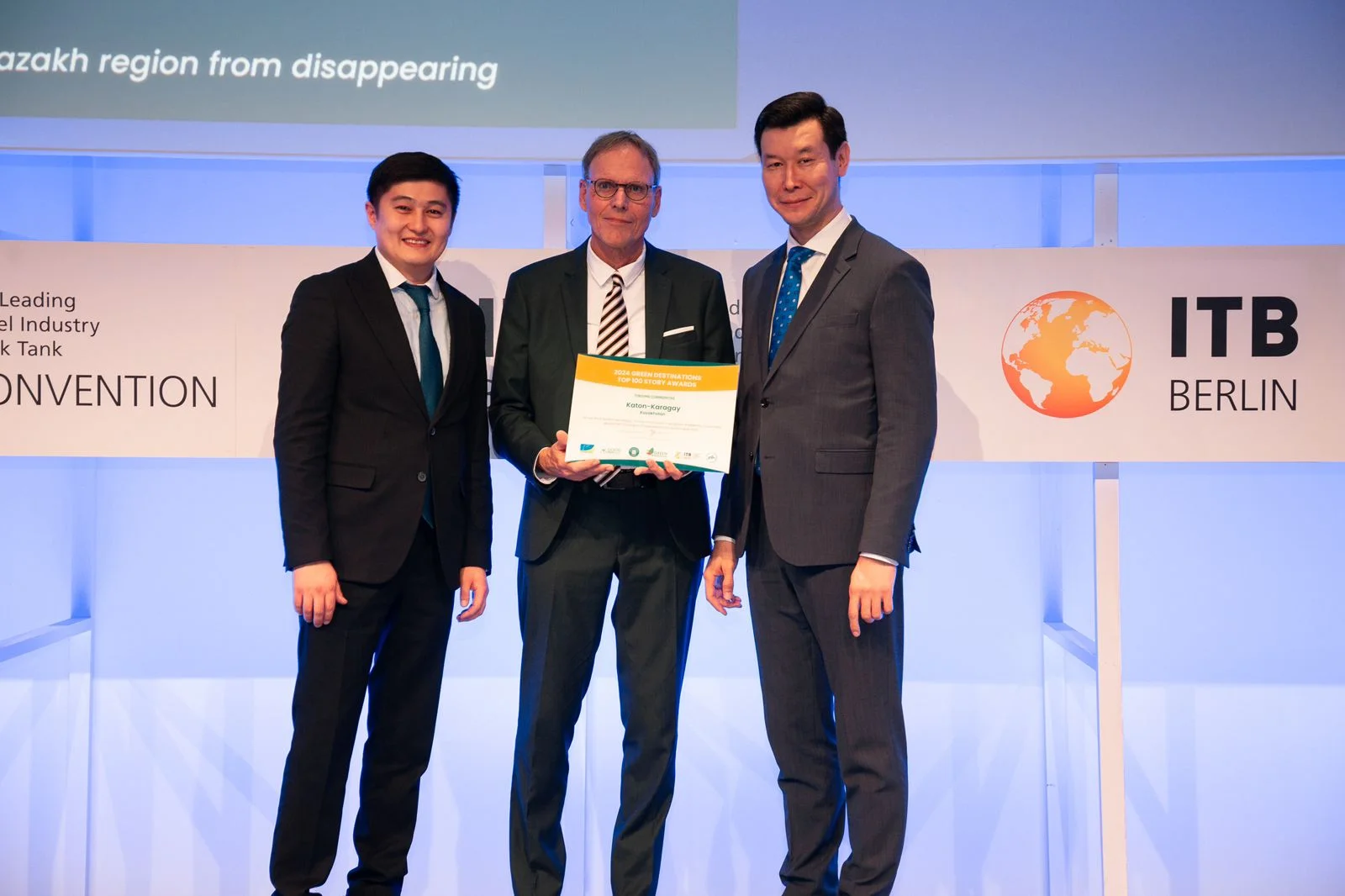
Katon-Karagay District in the East Kazakhstan Region became the first destination from Kazakhstan to be included in the international Green Destinations Top 100 Stories ranking — a global list of the most sustainable and environmentally responsible destinations. This recognition was the result of consistent efforts to implement the district’s sustainable development strategy aimed at preserving its unique natural environment, cultural heritage, and promoting responsible tourism.
Objective
The main goal was to strengthen the district’s status as an example of the harmonious integration of ecology, culture, and economy, while positioning Katon-Karagay internationally as a sacred and “green” destination open to conscious travelers and sustainable tourism.
Results:
The inclusion of Katon-Karagay District in the Green Destinations Top 100 Stories ranking confirmed the presence of a long-term sustainable development strategy. Based on this foundation, a five-year short-term strategy is currently being developed, with a strong focus on environmental issues. Future plans include the creation of a digital system to track all sources of environmental pollution, enabling continuous monitoring and more effective management.