
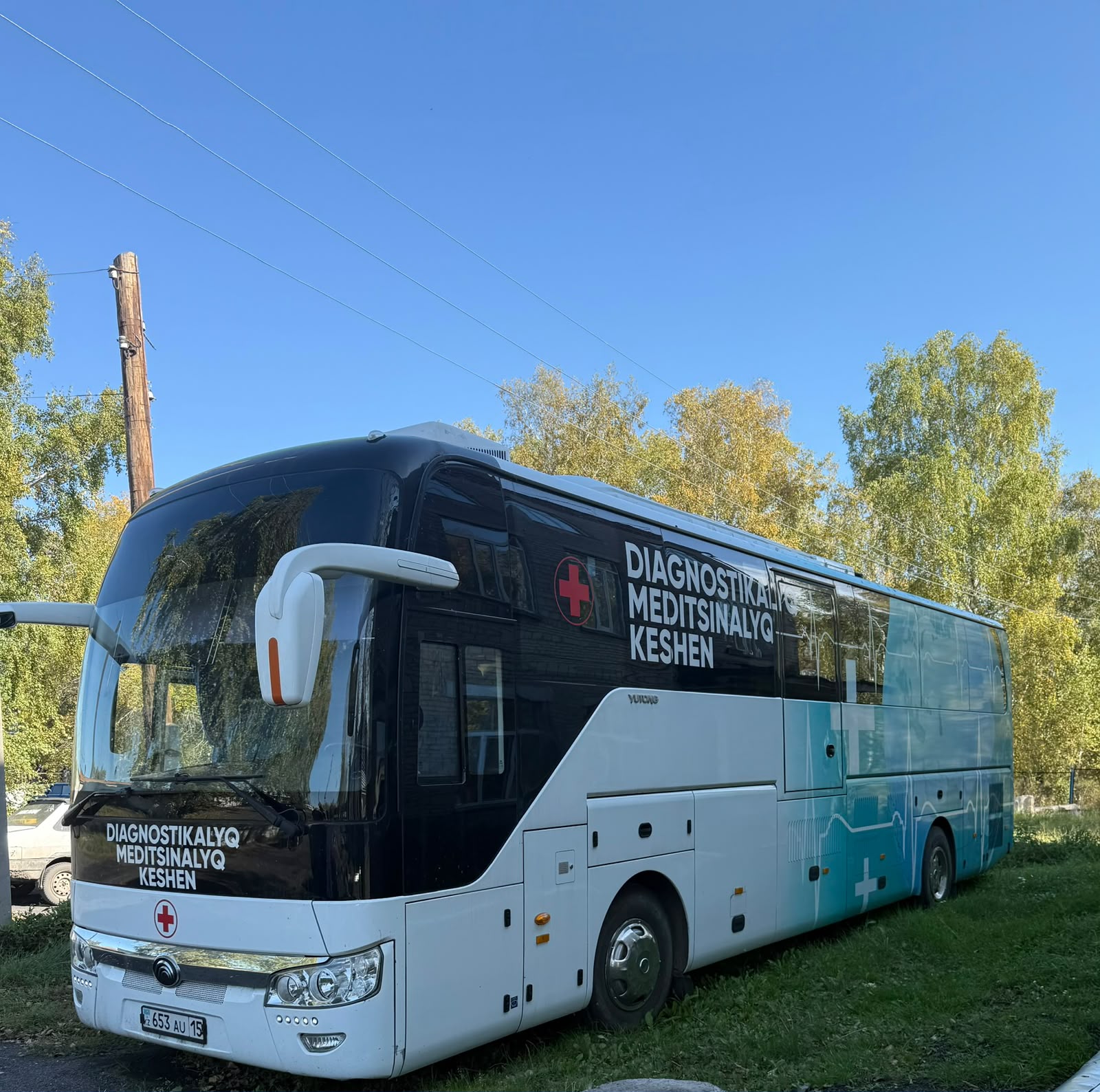
The team of the Foundation for Sustainable Rural Development visited North Kazakhstan Region to learn about the implementation of telemedicine solutions with the participation of the French company C3Medical. The visit focused on exploring approaches that improve access to specialized healthcare services for residents of remote rural communities.
As part of the pilot project, 16 LimStar telemedicine systems were installed in the regional adult and children's hospitals, as well as healthcare facilities across the districts of North Kazakhstan Region. The equipment enables remote medical consultations and allows diagnostic data from connected medical devices to be shared with specialists. The technology is used in cardiology, gynecology, otolaryngology, dermatology, and other medical specialties.
According to the North Kazakhstan Regional Multidisciplinary Hospital, more than 12,000 consultations were conducted using the telemedicine system between the beginning of 2024 and June 1, 2025. Of these, 67% were video consultations, while 33% involved the use of diagnostic devices. These figures represent the total number of consultations provided, rather than the number of individual patients.
The introduction of telemedicine involved not only the installation of equipment but also the training of healthcare professionals and the establishment of coordination between medical institutions. According to C3Medical Consulting, the project was implemented in cooperation with Kazakhstan's Ministry of Healthcare, regional authorities, and local healthcare organizations, with support from the French Treasury.
The experience of North Kazakhstan Region is particularly relevant to the Foundation's efforts to improve quality of life in rural districts. Long distances from regional centers, shortages of certain medical specialists, and the challenges of frequent travel directly affect access to healthcare services, especially for older residents and families with children.
Studying an operational telemedicine system helps the Foundation assess the technical and organizational conditions required to introduce similar solutions in other regions. Such analysis is valuable when planning district-level projects aimed at developing social infrastructure and improving access to essential services.