
A Health Festival was held in Makinsk, bringing together schoolchildren, parents, teachers, and nutrition experts. The event was jointly organized by the Food and Agriculture Organization of the United Nations (FAO), the Ministry of Healthcare of the Republic of Kazakhstan, the Foundation for Sustainable Rural Development, and the Akmola Regional Administration. The festival was part of a pilot project aimed at promoting healthy school meals.
The festival program took place over two days. On September 26, an expert meeting was held in Burabay to discuss the development of agrifood systems and investment in health. Participants reviewed the results of pilot initiatives, improvements to school menus, and the development of local food supply chains. On September 27, the program continued in Makinsk.
The pilot project was implemented in two schools in Makinsk — a gymnasium and the Baluan Sholak School-Lyceum. An updated, balanced menu was developed for 393 students, taking into account children's nutritional needs and food preferences. Approximately 60% of the food products were sourced from local farmers. This approach brought together two important objectives: improving the quality of school meals and supporting local agricultural producers.
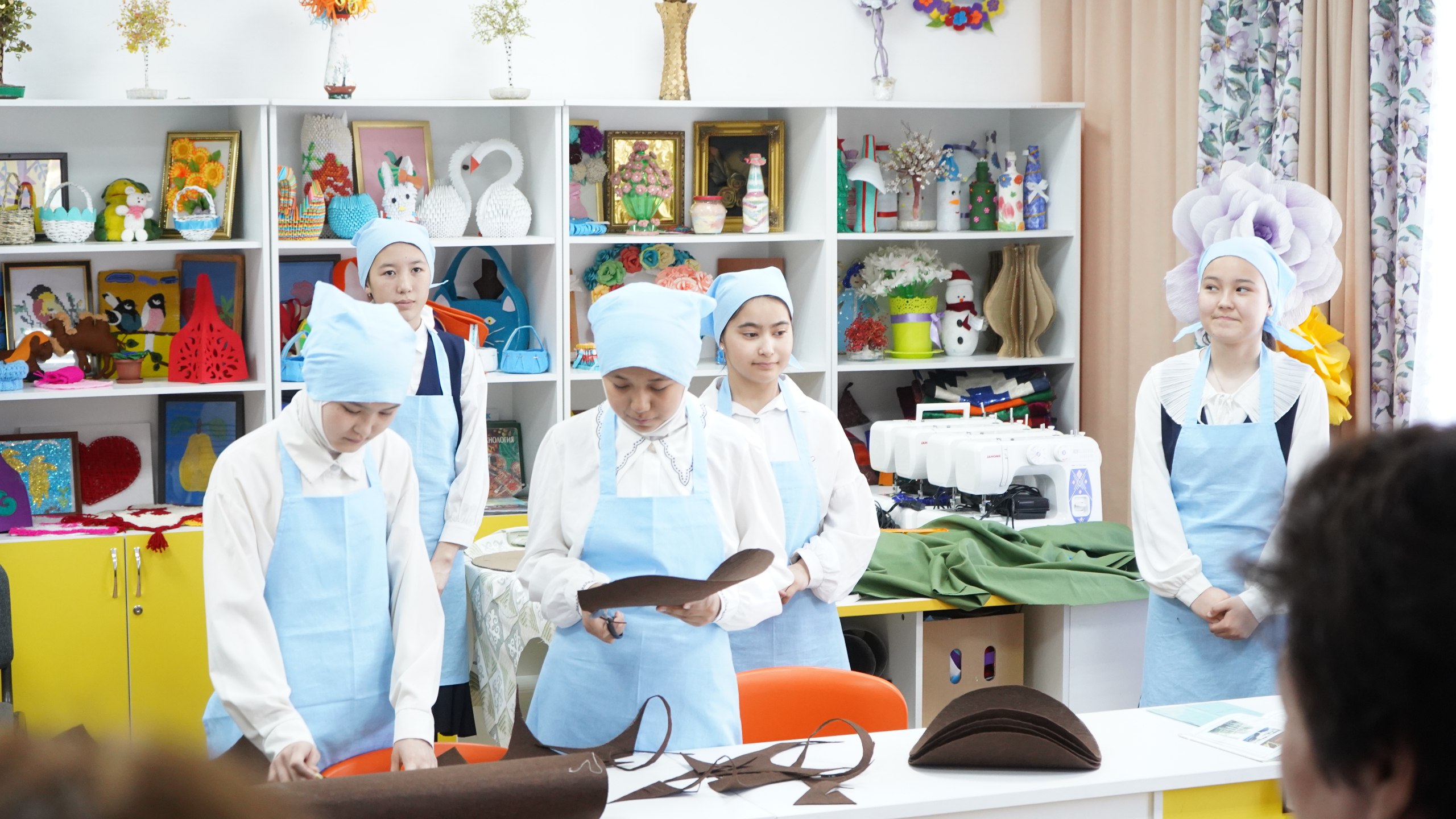
The main festival activities in Makinsk took place at the Bulandy District House of Culture and the Baluan Sholak School-Lyceum. Nutrition expert Zhanar Tolysbayeva led a session on understanding food labels and making informed food choices for families. Schoolchildren and parents participated in games, creative competitions, and quizzes. The school-lyceum also hosted a cooking masterclass and competition. The program included a dance flash mob, robotics exhibitions, and displays of children's artwork.
For the Foundation for Sustainable Rural Development, participation in the project formed part of its broader efforts to support comprehensive rural development. Fundraising Director Daniyar Nurpeisov emphasized the importance of involving local farmers in school food supply systems. This approach not only supports healthier diets for children but also contributes to the development of local production, creating additional economic opportunities for rural entrepreneurs.
The festival demonstrated how initiatives in education, healthcare, and local economic development can complement one another, creating better conditions for improving quality of life in rural communities.