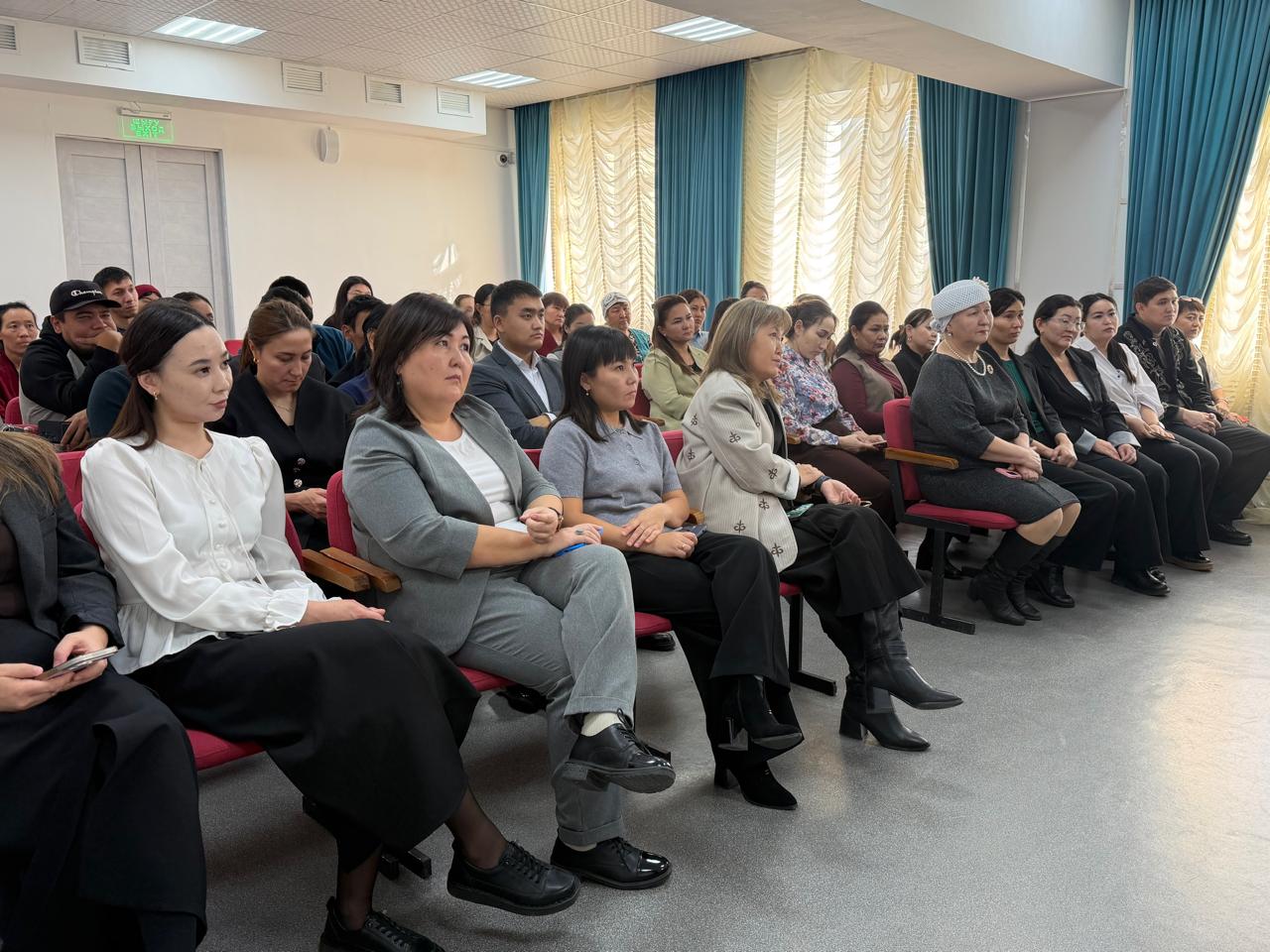
The Ulan District administration, together with local community representatives and aitas meken foundation, is developing a long-term strategy for the district. An important part of this work has been meetings with residents and schoolchildren to discuss the future of their settlements and villages. Participants' views and suggestions will help identify the district's development priorities.
At the heart of this work are the people who live and work in the district, raise their children here, and see their future in their home region. They know best what opportunities are missing from everyday life, which issues need attention, and what should change. That is why the strategy must consider not only economic indicators and the district's potential but also residents' actual needs, from access to services and the quality of public spaces to opportunities for education, recreation, and entrepreneurship.
Particular attention is being paid to schoolchildren's opinions. After all, today's children and teenagers may be the ones living and working in the district in the years ahead. The discussions seek to understand how they imagine their home region's future, what opportunities they would like to have close to home, and what might encourage them to build their lives there.
Dialogue between generations makes it possible to consider the district's development from different perspectives. Older residents share their experience and knowledge of local history and community life, while young people contribute fresh ideas and their own vision of the future. Together, these perspectives help build a more complete understanding of what Ulan District could become over the coming decades.
The strategy development process brings together the district administration, local community representatives, and aitas meken foundation. Residents' proposals are being considered alongside an analysis of the district's economy, social conditions, and environmental situation. This work will provide a basis for defining shared goals, selecting priority areas, and developing projects that can support the district's long-term progress.
All opinions and proposals collected during the meetings will be considered as the strategy is developed further. The district's future cannot be shaped without the participation of the people who live there. Open dialogue between local authorities, communities, and partners helps identify solutions that reflect residents' actual needs and create better conditions for living, working, and growing in their home region.